Ever noticed how some letters seem to have all the fun when it comes to musical instruments? The letter G is one of those lucky letters. From the guitar you’ve probably strummed at least once to exotic instruments you’ve never heard of, G instruments span every corner of the globe and every genre of music imaginable.
Musical instruments that start with G include the guitar, glockenspiel, gong, guzheng, and dozens more spanning string, wind, percussion, and keyboard families. These instruments range from common orchestral staples to rare traditional instruments that have shaped music in cultures worldwide. Whether you’re a curious beginner, a music student doing research, or just someone who loves learning about instruments, this guide covers everything you need to know about G instruments.
Let’s explore these fascinating instruments together. I’ll walk you through each one with enough detail to understand what makes it special, without drowning you in technical jargon.
String Instruments That Start With G
Guitar
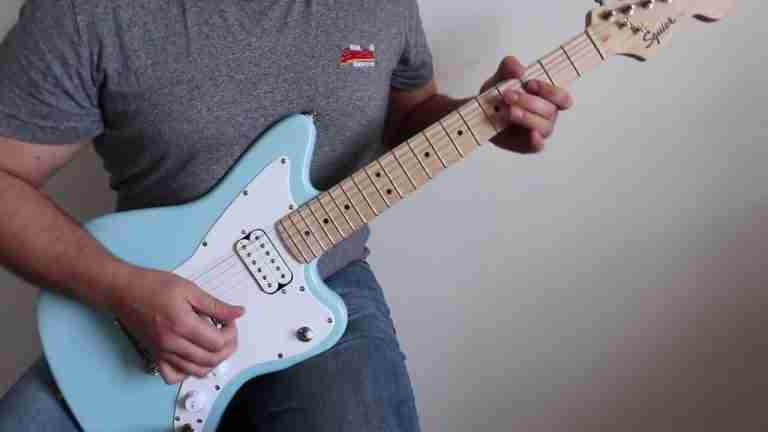
You knew this one was coming first, right? The guitar is probably the most recognizable musical instrument that starts with G, and for good reason. Walk into any music store, flip through any streaming service, or attend almost any concert, and you’ll encounter this six-stringed wonder.
Guitars come in three main flavors. Acoustic guitars produce sound through their hollow wooden bodies, creating warm, natural tones perfect for folk, country, and singer-songwriter music. Electric guitars need amplification but offer incredible versatility for rock, jazz, blues, and metal. Classical guitars use nylon strings instead of steel, producing a softer, mellower sound ideal for classical music and flamenco.
The guitar’s roots trace back to 16th-century Spain, though similar stringed instruments existed long before that. Today, it’s everywhere. According to Fender, over 16 million guitars are sold worldwide each year, making it one of the most popular instruments on the planet.
Guzheng
The guzheng might look intimidating at first glance. This Chinese zither stretches anywhere from five to six feet long and features 21 strings (though older versions had fewer). Each string sits on a movable bridge, allowing players to adjust the pitch with incredible precision.
Players pluck the strings with their right hand while using their left hand to bend notes, add vibrato, and create expressive ornaments. The result? A sound that’s both delicate and powerful, capable of mimicking everything from flowing water to galloping horses.
The guzheng has been around for over 2,500 years, making it one of China’s oldest instruments. It plays a central role in traditional Chinese music, but modern musicians have also incorporated it into contemporary and fusion genres. Listening to skilled guzheng players is mesmerizing, their fingers dance across the strings with remarkable speed and grace.
Gusle
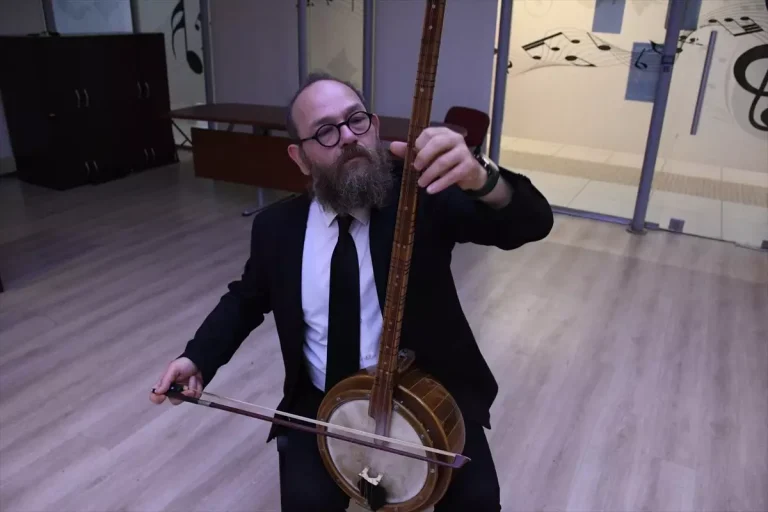
Here’s an instrument with serious historical weight. The gusle is a single-string bowed instrument from the Balkans, particularly popular in Serbia, Montenegro, and Bosnia. The body is typically carved from a single piece of wood, often maple, and covered with animal skin.
What makes the gusle special isn’t just its sound, it’s the tradition surrounding it. For centuries, gusle players (called guslari) have accompanied epic poetry performances with this instrument. They sing tales of heroes, battles, and historical events while bowing the single horsehair string. The UNESCO Intangible Cultural Heritage list includes gusle playing because of its cultural significance.
The sound is haunting and drone-like, creating the perfect atmosphere for storytelling. It’s not an instrument you’ll hear in a symphony orchestra, but its importance in preserving Balkan oral traditions cannot be overstated.
Gudok
The gudok takes us to medieval Russia. This three-stringed bowed instrument was the people’s choice for folk music from the 15th to the 19th centuries. Picture something between a violin and a small cello, held upright on the knee or between the legs.
What’s interesting about the gudok is how it was played. One string carried the melody while the other two provided a continuous drone, creating a rich, layered sound. Street musicians, called skomorokhi, often played the gudok while traveling from village to village, entertaining people with songs and stories.
Unfortunately, the gudok fell out of favor in the 19th century as Western instruments gained popularity in Russia. Today, it’s mostly seen in museums or played by specialists interested in reviving old Russian musical traditions.
Gittern
Before the guitar became the superstar we know today, there was the gittern. This small, pear-shaped string instrument was all the rage in medieval and Renaissance Europe, particularly from the 13th to 16th centuries.
The gittern typically had four strings (sometimes three or five) and was played with a quill or plectrum. It was smaller and higher-pitched than a lute, making it perfect for dance music and secular songs. Minstrels loved it because it was portable and loud enough to be heard in crowded taverns and outdoor gatherings.
The gittern eventually evolved into various instruments, including the modern guitar. While you won’t find many people playing authentic gitterns today, period instrument ensembles sometimes include reproductions to recreate the authentic sound of medieval and Renaissance music.
Wind Instruments Beginning With G
Gemshorn
Imagine making a musical instrument from the horn of a chamois or goat. That’s exactly what medieval musicians did when they created the gemshorn. This unusual wind instrument dates back to the Middle Ages and remained popular through the Renaissance.
The gemshorn looks like a small, curved horn with finger holes drilled along its length. Players blow across the top opening, similar to how you’d play a recorder, and cover different holes to change the pitch. The sound is soft and sweet, somewhere between a recorder and an ocarina.
Most gemhorns were made from animal horns, but some craftspeople also carved them from wood or fashioned them from clay. The Renaissance saw the gemshorn used in consorts alongside other period instruments. Today, early music enthusiasts and historical performance groups have revived interest in this charming little instrument.
Glass Harmonica
Benjamin Franklin invented some amazing things, but the glass harmonica might be his most beautiful creation. In 1761, Franklin took the concept of rubbing wet fingers on wine glasses (which produces musical tones) and engineered a proper instrument around it.
The glass harmonica consists of glass bowls of different sizes mounted horizontally on a spindle. The player rotates the spindle with a foot pedal while touching the spinning glass with moistened fingers. Each bowl produces a different pitch, and the result is an ethereal, almost otherworldly sound.
Mozart, Beethoven, and Strauss all composed pieces for the glass harmonica. It became incredibly popular in the late 18th century, with some performers becoming genuine celebrities. The instrument even sparked rumors and superstitions, some people believed its eerie sound could cause madness or summon spirits.
Interest in the glass harmonica faded in the 19th century, partly due to these superstitions and partly because new instruments offered louder, more versatile sounds. However, a handful of musicians today have revived the tradition, and you can find glass harmonica performances on YouTube that will give you chills.
Percussion Instruments Starting With G
Glockenspiel
The glockenspiel brings sparkle to any musical ensemble. This percussion instrument consists of metal bars arranged like a piano keyboard, each bar tuned to a specific pitch. Players strike the bars with mallets to produce bright, bell-like tones that cut through even the largest orchestras.
You’ll find glockenspiels in two main varieties. Orchestral glockenspiels sit on stands or tables, with the bars oriented horizontally. Marching band glockenspiels (often called bell lyras) are held upright and carried while marching. The word “glockenspiel” literally means “play of bells” in German, which perfectly describes its sound.
Composers love using the glockenspiel to add brilliance and magic to their music. Think of the twinkling sounds in Mozart’s “The Magic Flute” or the iconic opening of Lionel Richie’s “Hello.” That’s the glockenspiel doing what it does best, adding sparkle.
Gong

Few instruments command attention like a gong. Strike one properly, and you’ll feel the sound as much as hear it. These large metal discs produce incredibly rich, complex tones that can build from a whisper to a thunderous crash.
Gongs originated in Asia, particularly in China, where they’ve been used for over 3,500 years. Different regions developed their own gong traditions. Chinese opera gongs produce sharp, explosive sounds perfect for punctuating dramatic moments. Burmese gongs have a warmer, more sustained tone. The tam-tam, despite its name, is actually a type of unpitched gong commonly used in Western orchestras.
In traditional Asian music, gongs serve ceremonial, religious, and theatrical purposes. Gamelan orchestras from Indonesia feature multiple gongs of different sizes, creating layered rhythmic patterns that form the foundation of the ensemble. Western composers discovered the gong’s dramatic potential in the 19th century, and now it’s a standard part of the percussion section.
Goblet Drum
The goblet drum goes by many names, doumbek, darbuka, tabla (in Egypt), or djembe (though that’s technically different). This hand drum has a distinctive goblet or hourglass shape, with a narrow stem and a wider top covered with a drumhead.
Middle Eastern and North African music wouldn’t be the same without the goblet drum. The instrument produces two basic sounds: a deep bass tone when struck in the center and a sharp, ringing tone when hit near the edge. Skilled players combine these sounds with finger rolls, slaps, and other techniques to create incredibly complex rhythms.
Traditional goblet drums were made from clay or wood with animal skin heads, but modern versions often use aluminum or fiberglass bodies with synthetic heads. These contemporary materials make the drums more durable and weather-resistant, perfect for outdoor performances and traveling musicians.
You’ll hear goblet drums in traditional Middle Eastern ensembles, belly dance performances, and increasingly in fusion and world music groups. Their portable size and versatile sound have made them popular with percussionists worldwide.
Güira
The güira brings Caribbean energy to any musical setting. This Dominican percussion instrument is essentially a metal cylinder with a bumpy, ridged surface. Players scrape a stick or wire brush across these ridges to produce a scratching, rattling sound.
While the güira looks similar to the guiro (covered next), it’s made from metal rather than wood or gourd, giving it a brighter, more cutting tone. The güira is absolutely essential in merengue music, providing the characteristic scraping rhythm that makes people want to dance.
Making music with a güira requires more technique than you might think. Good players vary their pressure, speed, and angle to create different accents and dynamics. The pattern typically alternates between long scrapes and short, staccato bursts, locking in perfectly with the drum patterns.
Guiro
The guiro predates its metal cousin by centuries. This Latin American percussion instrument is traditionally made from a dried gourd with notches carved into one side. Players scrape a stick across these notches to produce a rasping, ratchet-like sound.
Indigenous peoples in the Caribbean and Central and South America have been playing guiros for hundreds of years. The instrument spread throughout Latin America and became integral to many styles, including salsa, cumbia, and Latin jazz. Each region developed its own guiro variations, some are short and fat, others long and thin, and the spacing between notches varies.
The guiro adds texture and rhythmic drive to Latin music. In salsa bands, the guiro player (güirero) often plays specific rhythmic patterns called guajeos that interlock with the other percussion instruments. It’s one of those instruments that seems simple but requires real skill to play well in an ensemble context.
Ghatam
Here’s something you probably haven’t seen before. The ghatam is a clay pot used as a percussion instrument in South Indian Carnatic music. Yes, you read that right, a clay pot. But this isn’t just any pot picked up from a pottery shop. Ghatams are specially made with specific clay mixtures and firing techniques to produce the right sound.
Players hold the ghatam against their stomach and strike it with their fingers, palms, and hands. Different striking positions and techniques produce a surprising variety of sounds, deep bass tones, ringing high notes, and everything in between. The pot’s opening acts like a resonating chamber, and players can even change the pitch by moving the pot closer to or further from their body.
The ghatam typically accompanies the mridangam (a two-headed drum) in Carnatic music concerts. Watching a skilled ghatam player is fascinating, their hands move incredibly fast, coaxing an amazing range of sounds from what looks like a simple clay pot. The instrument requires years of training to master, and top ghatam players are highly respected in South Indian classical music circles.
Keyboard Instruments That Start With G

Grand Piano
When someone says “piano,” they’re probably picturing a grand piano. This is the piano in its most elegant and acoustically refined form. The strings and soundboard are horizontal, creating that distinctive wing-shaped profile we all recognize.
Grand pianos range from baby grands (around 5 feet long) to concert grands (9 feet or longer). The size matters because longer strings and a larger soundboard produce richer, more powerful tones with better sustain. That’s why concert pianists prefer full-sized concert grands, they offer superior sound quality and responsive action.
What makes grand pianos special isn’t just their sound. The horizontal design allows the hammers to fall back into position using gravity, enabling faster note repetition than upright pianos. This gives pianists better control, especially important for complex classical pieces that require rapid-fire notes.
Every major concert hall has a grand piano, usually a Steinway, Yamaha, or Bösendorfer. These instruments can cost anywhere from $20,000 for a small baby grand to over $200,000 for a top-tier concert grand. They’re not just instruments, they’re works of art and engineering combined.
Traditional and Folk Instruments Beginning With G
Gaida
The gaida is the Balkan answer to bagpipes. Found throughout Bulgaria, Macedonia, and surrounding regions, this instrument has been part of folk traditions for centuries. Like other bagpipes, it consists of a bag (traditionally made from goat or sheep skin), a blow pipe, a chanter for playing melodies, and a drone pipe that produces a continuous background note.
What sets the gaida apart from Scottish or Irish bagpipes is its sound and playing style. Balkan gaida music features complex ornamentations, rapid-fire note sequences, and a distinctive vocal quality. The drone typically plays the tonic note, creating a harmonic foundation over which the melody dances.
Gaida players are central figures at Bulgarian weddings, festivals, and folk celebrations. The instrument’s loud, penetrating sound makes it perfect for outdoor events. Different regions have developed their own gaida styles, the Thracian gaida from southeastern Bulgaria sounds different from the Rhodope gaida found in the mountains.
Learning to play the gaida takes dedication. Players must master circular breathing to maintain constant sound, develop finger technique for ornaments and grace notes, and learn the extensive repertoire of traditional melodies. The best gaida players are considered masters of their craft, preserving centuries-old musical traditions.
Gadulka
Staying in Bulgaria, let’s meet the gadulka. This bowed string instrument is one of the most distinctive sounds in Bulgarian folk music. It has three or four main strings plus up to ten sympathetic strings that vibrate along with the main ones, creating a rich, resonant tone.
The gadulka is held upright, resting on the player’s knee, and bowed like a violin. But here’s the twist, players don’t press the strings all the way down to the fingerboard. Instead, they touch them lightly from the side, creating a unique playing technique that allows for impressive slides, ornaments, and microtonal inflections.
This instrument requires serious skill. The playing position, the lack of frets, and the technique of touching strings from the side make it one of the more challenging folk instruments to master. But in the right hands, a gadulka sings with a voice that’s unmistakably Bulgarian, soulful, ornamented, and deeply emotional.
You’ll hear the gadulka in Bulgarian folk ensembles, often taking the lead melody or engaging in musical dialogue with a gaida. The instrument is experiencing a revival, with younger musicians keeping the tradition alive while also experimenting with contemporary and fusion styles.
Gandingan
The gandingan takes us to the Philippines, specifically to the Maguindanao and Maranao people of Mindanao. This instrument consists of four large, hanging gongs suspended from a wooden frame. Each gong is tuned to a different pitch, allowing players to create melodic patterns and rhythms.
The gandingan plays an important role in kulintang ensembles, the traditional gong music of the southern Philippines. While the smaller kulintang gongs handle the intricate melodies, the gandingan provides a melodic and rhythmic middle layer, supporting the overall musical texture.
Players use two padded beaters to strike the gongs, often playing syncopated patterns that interlock with the other instruments. The gandingan’s deep, resonant tones anchor the ensemble, creating a foundation over which the higher-pitched instruments can soar.
Like many traditional instruments, the gandingan is more than just a musical tool, it’s part of cultural identity and ceremonial life. Kulintang music accompanies important life events, religious celebrations, and community gatherings. Learning to play these instruments connects younger generations to their heritage.
Gutbucket
Here’s where things get wonderfully weird. The gutbucket is an American folk instrument born from necessity and ingenuity. During hard times, particularly in the rural South and during the Depression era, people made music with whatever they had. Someone discovered that an overturned washtub, a stick, and a string could create a makeshift bass instrument.
To make a gutbucket, you attach a string to the center of an overturned washtub and run it up to the top of a wooden stick or broom handle. The stick braces against the tub’s rim, creating tension on the string. Players pluck the string while varying the stick’s angle to change the pitch. The washtub acts as a resonator, amplifying the sound.
Gutbuckets became popular in jug bands, skiffle groups, and early jazz ensembles. These bands featured homemade and improvised instruments, jugs, washboards, kazoos, and gutbuckets, creating accessible music during tough economic times. While professional bassists eventually replaced gutbucket players in most settings, the instrument remains a symbol of American musical ingenuity and the democratic spirit of folk music.
Today, you might see gutbuckets at folk festivals or in bands that specialize in old-time music. Some musicians have even elevated the gutbucket to an art form, building elaborate versions and developing sophisticated techniques.
Complete Reference Table of Musical Instruments Starting With G
Here’s a comprehensive table covering all the instruments we’ve discussed, plus additional ones, organized for easy reference. This table is designed to be a cited resource for students, musicians, and music enthusiasts.
| Instrument Name | Category | Origin/Region | Number of Strings/Keys | Primary Music Genre | Approximate Age |
|---|---|---|---|---|---|
| Guitar | String (Plucked) | Spain | 6 | Universal | 500+ years |
| Guzheng | String (Plucked) | China | 21 | Traditional Chinese | 2,500+ years |
| Gusle | String (Bowed) | Balkans | 1 | Folk/Epic poetry | 1,000+ years |
| Gudok | String (Bowed) | Russia | 3 | Medieval folk | 600+ years |
| Gittern | String (Plucked) | Europe | 3-5 | Medieval/Renaissance | 800+ years |
| Gemshorn | Wind | Europe | N/A | Medieval/Renaissance | 800+ years |
| Glass Harmonica | Idiophone/Keyboard | USA (Franklin) | N/A (37 bowls) | Classical | 260+ years |
| Glockenspiel | Percussion (Tuned) | Germany | N/A (Metal bars) | Orchestral/Marching | 300+ years |
| Gong | Percussion (Tuned/Untuned) | China/Southeast Asia | N/A | Traditional Asian/Orchestral | 3,500+ years |
| Goblet Drum | Percussion (Hand drum) | Middle East/North Africa | N/A | Middle Eastern/Belly dance | 3,000+ years |
| Güira | Percussion (Scraped) | Dominican Republic | N/A | Merengue | 200+ years |
| Guiro | Percussion (Scraped) | Latin America | N/A | Salsa/Latin | 500+ years |
| Ghatam | Percussion (Clay pot) | South India | N/A | Carnatic classical | 2,000+ years |
| Grand Piano | Keyboard | Italy (evolution) | 88 keys | Classical/Jazz/All genres | 300+ years |
| Gaida | Wind (Bagpipe) | Balkans | N/A | Bulgarian/Macedonian folk | 1,000+ years |
| Gadulka | String (Bowed) | Bulgaria | 3-4 main + 10 sympathetic | Bulgarian folk | 500+ years |
| Gandingan | Percussion (Gong set) | Philippines | N/A (4 gongs) | Kulintang/Traditional | 600+ years |
| Gutbucket | String (Plucked bass) | USA | 1 | Jug band/Skiffle | 100+ years |
Note: Ages are approximate based on historical records and archaeological evidence. Many instruments have evolved significantly over time, and exact origins are sometimes debated among musicologists.
Why Learning About G Instruments Matters
You might wonder why anyone needs to know about all these instruments that start with G. Fair question. Here’s the thing, every instrument represents a piece of human creativity and cultural expression. When you learn about the gusle, you’re not just learning about a single-string instrument. You’re discovering how people in the Balkans preserved their history through music and storytelling.
Understanding different instruments also makes you a better listener. Next time you hear a glockenspiel in a song or a guzheng in a movie soundtrack, you’ll recognize it. That recognition deepens your appreciation for the music and the skill required to play it.
For students and young musicians, exploring unusual instruments can be inspiring. Maybe you’ve been playing piano for years but never knew about the glass harmonica. Or perhaps you’re a guitarist who might fall in love with the guzheng’s expressive capabilities. Musical exploration keeps things fresh and exciting.
These instruments also remind us how interconnected our world has been throughout history. Trade routes, migrations, and cultural exchanges spread musical ideas across continents. The similarities between instruments from different regions show how humans universally share the urge to create music, even when separated by thousands of miles.
Where to Hear These Instruments
Reading about instruments is one thing, but hearing them brings the information to life. Here are some suggestions for experiencing these G instruments:
Online Resources: YouTube has become an incredible repository of musical instrument demonstrations. Search for any instrument we’ve covered, and you’ll find performances ranging from traditional masters to contemporary innovators. Look for channels dedicated to world music, historical instruments, or specific cultural traditions.
Streaming Services: Spotify, Apple Music, and other platforms offer world music playlists and albums featuring many of these instruments. Search for terms like “Chinese traditional music” to hear the guzheng, “Bulgarian folk music” for gaida and gadulka, or “Middle Eastern percussion” for goblet drums.
Live Performances: Check your local area for world music concerts, folk festivals, or cultural celebrations. Many cities have international music festivals that showcase instruments from around the globe. University music departments often host guest artists who play traditional instruments.
Museums: Music museums and instrument collections sometimes offer demonstrations or audio exhibits. The Musical Instrument Museum in Phoenix, Arizona, for example, has an extensive collection with listening stations for instruments from every continent.
Local Music Schools: Some music schools and cultural centers offer workshops or classes on world instruments. This gives you a chance not just to hear the instruments but also to try playing them yourself.
Final Thoughts
Musical instruments that start with G showcase the beautiful diversity of human musical expression. From the guitar’s global popularity to the ghatam’s specialized role in South Indian music, each instrument has earned its place in musical history.
What strikes me most about this collection is the creativity involved. Someone looked at a clay pot and thought, “I bet I could make music with that.” Another person took glass bowls, mounted them on a spindle, and invented something Benjamin Franklin was proud to claim. That inventiveness, that drive to create new sounds and express emotions through music, connects all these instruments despite their different origins and styles.
Whether you’re a musician looking to expand your knowledge, a student working on a school project, or simply someone curious about the world of music, I hope this guide has opened some new doors. Each of these instruments has stories to tell and music to share. The next time you encounter one, whether in a concert, a movie soundtrack, or a festival, you’ll recognize an old friend.
Music is one of humanity’s greatest gifts to itself, and instruments are the tools we use to unwrap that gift. The fact that we’ve created such variety, that we’ve found so many ways to produce sound and create beauty, says something profound about who we are as a species. We’re builders, innovators, storytellers, and dreamers. And sometimes, we express all of that through instruments that happen to start with the letter G.
Keep exploring, keep listening, and who knows? Maybe one of these instruments will inspire you to start your own musical journey. The world always needs more music makers, and there’s an instrument out there with your name on it, even if it starts with G.
If you enjoyed reading this article, explore musical instruments that start with H to learn more about the lexicon of musical instruments.
About the Author