Have you ever wondered just how many musical instruments you can name that start with the letter H? It’s one of those fun questions that seems simple until you really think about it. You might get a few right away, but the full list is a fascinating journey through sound, history, and culture. Well, you can stop wondering, because we’re about to dive into the wonderful world of musical instruments that start with H. From the pocket-sized harmonica to the grandeur of the harp, these instruments have shaped music across centuries and continents.
Think of this as a backstage pass to an orchestra of ‘H’. We’ll start with the headliners, the instruments you’re likely familiar with, before meeting some historical gems and unique world instruments that might just become your new favorites. So, let’s tune up and begin our exploration.
The Headliners – The Famous H Instruments
These are the rockstars of the ‘H’ family, the ones with immediate name recognition. If you only know a few musical instruments that start with H, they’re probably on this list.
The Harmonica: A Pocketful of Blues
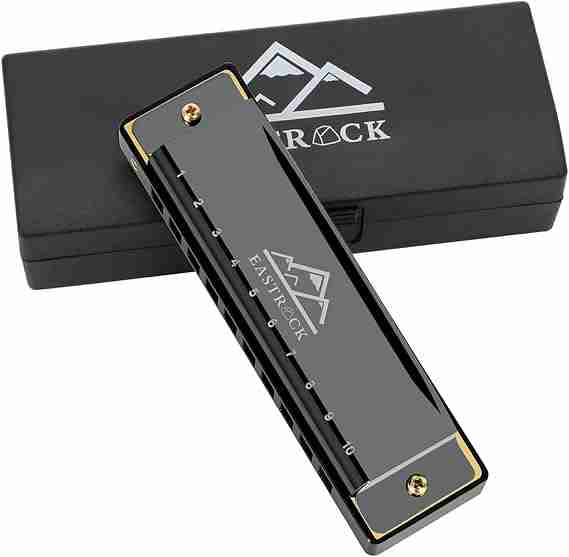
Often called the “harp” by blues musicians (not to be confused with the stringed instrument we’ll meet next!), the harmonica is the ultimate portable instrument. It’s a free-reed wind instrument, which means it creates sound by air moving over a set of reeds inside its metal casing.
What makes it so special?
Its soulful, crying sound is perfect for expressing raw emotion. You can hear its iconic wail in blues, folk, rock, and even country music. What’s incredible is its accessibility; you can literally carry a world of sound in your pocket. Players can “bend” notes by shaping their mouth and breath, creating those signature microtones that give the harmonica its vocal, expressive quality. As noted by the American Harmonica History Museum, its design was perfected in Germany in the 19th century, but it found its true voice in the blues clubs of America. It’s a humble instrument with a mighty sound.
The Harp: An Instrument of Heavenly Proportions
If the harmonica is for the road, the harp is for the concert hall. It’s one of the oldest known musical instruments, with depictions dating back to ancient Egypt. This majestic string instrument stands tall with a graceful triangular frame, dozens of strings, and a sound that can only be described as ethereal.
How do you even play it?
A harpist, or harpist, plucks the strings with their fingers. On a modern concert pedal harp, there are seven foot pedals that allow the player to change the pitch of the strings, making it fully chromatic and capable of playing any piece of music. Smaller folk or lever harps are also popular for their portability and use in Celtic music. The harp’s role is versatile; it can provide delicate glissandos (those beautiful sweeping sounds), lush accompaniments, or powerful melodic lines in an orchestra. It’s an instrument that demands dedication but rewards the player with one of the most beautiful sounds in the world.
The Historical Powerhouses
This next group of musical instruments that start with H may not be as common today, but their impact on the history of music is undeniable.
The Harpsichord: The Baroque Grandparent of the Piano
Before the piano ruled the keyboard world, the harpsichord was king, especially during the Baroque and Renaissance periods. At first glance, it looks like a petite, ornate piano. But the moment you hear it, the difference is clear. Its sound is brilliant, metallic, and percussive.
What’s the difference between a harpsichord and a piano?
It all comes down to the mechanism. On a piano, when you press a key, a felt-covered hammer strikes the string, allowing for dynamic variation (soft and loud) based on how hard you play. On a harpsichord, pressing a key plucks the string with a small plectrum, much like a guitar pick. This means the volume is essentially the same no matter how hard you hit the key. This distinct sound is the heartbeat of music by masters like Bach, Scarlatti, and Handel. While the piano eventually overshadowed it due to its greater dynamic range, the harpsichord never truly disappeared and has seen a major revival in performances of early music.
The Horn (The French Horn): The Orchestra’s Voice of Heroism

When you think of a majestic, heroic sound in a film score or a classical symphony, you’re often hearing the French horn. This iconic brass instrument is a long, coiled tube of brass that flares into a wide bell. It’s known for being one of the most difficult instruments to master, but also for its incredibly rich, warm, and mellow tone.
Why is it so challenging?
The horn’s difficulty lies in its embouchure, the way a player shapes their lips and uses their facial muscles against the small, funnel-shaped mouthpiece. Tiny adjustments create different notes, requiring immense control and a great “ear” for pitch. Its sound is so versatile that it acts as a bridge in the orchestra, blending beautifully with both the woodwind and the brass sections. From hunting calls in the forests of Europe to the epic themes of John Williams, the horn has a storied and powerful history.
Unique and Worldly H Instruments
Now, let’s venture off the beaten path. These next musical instruments that start with H are less common but are absolutely captivating in their own right.
The Hurdy-Gurdy: The Medieval Mechanical Marvel
The hurdy-gurdy is perhaps the most unique-looking instrument on our list. It’s a string instrument that you play by turning a crank with your right hand while your left hand presses keys on a keyboard. This crank turns a wooden wheel, rosined like a violin bow, which rubs against the strings to create sound.
It’s like a mechanical violin.
It typically has two main strings that play the melody, and several “drone” strings that provide a constant harmonic background, giving it a sound reminiscent of bagpipes. Historically popular in medieval Europe, it remains a staple in French and Hungarian folk music. Its distinct, droning, and rustic sound instantly transports you to another time.
The Hammered Dulcimer: A Global Percussion Sensation
Don’t confuse this with the Appalachian dulcimer, which is plucked. The hammered dulcimer is a trapezoidal wooden box with strings stretched across it, and you play it by striking those strings with small, lightweight mallets called “hammers.”
It’s a truly ancient and global instrument.
You can find variations of this instrument all over the world, known as the santur in Persia and the Middle East, the yangqin in China, and the cymbalom in Eastern Europe. Its sound is bright, shimmering, and percussive, with notes ringing into a beautiful cascade of sound. It’s a central instrument in folk traditions from Ireland to Iraq, proving that a great idea in instrument design can travel across the entire globe.
The ‘H’ Instrument Family at a Glance
Here’s a quick, visual overview of our featured musical instruments that start with H. This is a great reference to see how they compare in terms of type, origin, and their defining characteristics.
| Instrument Name | Instrument Family | Key Characteristic | Primary Role / Genre |
|---|---|---|---|
| Harmonica | Wind (Free Reed) | Portable, expressive, note-bending | Blues, Folk, Rock |
| Harp | String (Plucked) | Large, triangular, ethereal sound | Orchestral, Celtic, Solo |
| Harpsichord | String (Plucked) | Keyboard, plucked strings, metallic tone | Baroque, Early Music |
| French Horn | Brass | Coiled tube, warm & mellow tone | Orchestral, Brass Ensembles |
| Hurdy-Gurdy | String (Bowed) | Crank-operated, droning sound | Medieval, European Folk |
| Hammered Dulcimer | String (Struck) | Played with mallets, bright & percussive | World Folk Traditions |
| Hulusi | Wind (Free Reed) | Gourd body, gentle & reedy sound | Chinese Dai Music |
| Hydraulis | Wind (Keyboard) | Ancient, water-powered air pressure | Ancient Greek/Roman Ceremonies |
More Global & Historical Treasures
Our tour of musical instruments that start with H doesn’t stop there. Let’s cross continents and centuries to discover two more incredible instruments that have captured the imagination of musicians and listeners alike.
The Hulusi: The Calabash Serenade
If you’re looking for a sound that is both ancient and soothing, meet the Hulusi. This traditional wind instrument from China’s Yunnan province is also known affectionately as the “gourd flute.” It’s instantly recognizable by its beautiful construction: a dried gourd serves as the wind chest, with two or three bamboo pipes passing through it.
How does it work?
One of the bamboo pipes has finger holes and plays the melody, while the others act as drones, providing a constant, harmonious background note, much like the hurdy-gurdy. The Hulusi uses a free reed, similar to a harmonica, which gives it a gentle, reed-y, and incredibly mellow tone. It’s not loud or brash; it’s an instrument that invites you to lean in and listen closely. It holds a special place in the culture of the Dai people and has become a popular instrument in modern Chinese folk music, its calming voice often evoking images of serene landscapes and flowing water.
The Hydraulis: The Ancient Water Organ
Long before synthesizers or even pipe organs, there was the Hydraulis. Hailed as the world’s first keyboard instrument, this marvel of ancient Greek engineering dates back to the 3rd century BC. Its name gives away its secret: hydro means water.
An engineering miracle of its time.
The Hydraulis used the power of water to regulate air pressure. A pump would force air into a chamber that was partially filled with water. The water compressed the air, creating a steady and reliable stream of wind that passed through the pipes when a key was pressed. This was a monumental achievement, allowing for a sustained and powerful sound that was unheard of at the time. According to the Kotsanas Museum of Ancient Greek Technology, which houses a working replica, the Hydraulis was used in public spectacles, amphitheaters, and even pagan ceremonies . It was the rock and roll of the ancient world, a powerful symbol of human ingenuity in sound.
Honorable Mentions – The Niche and The New

No list of musical instruments that start with H would be complete without tipping our hat to a few other fantastic “H” entries. These instruments are more niche but are too cool to leave out.
The Hang Drum (Handpan): A modern invention that took the world by storm in the early 2000s. This steel percussion instrument looks like a flying saucer and is played with the hands. Its enchanting, otherworldly tones and meditative quality have made it a favorite of street musicians and sound healers alike.
The Heckelphone: For the true woodwind aficionado, this one is a rare gem. Invented to fill a specific sound gap, the heckelphone is essentially a baritone oboe. It’s larger and lower-pitched than a standard oboe, with a rich, dark, and sonorous tone that provides a beautiful foundation in the woodwind section. It’s so rare that you might only see one in a professional orchestra.
The Hornpipe: No, it’s not just a lively dance! The hornpipe was also a historical single-reed woodwind instrument, made from an animal horn, that was popular throughout the British Isles and Europe. It’s a simple ancestor to instruments like the clarinet.
The Hosho: This Zimbabwean shaker, made from a dried gourd filled with seeds or beans, is the heartbeat of Shona music. It’s almost always played alongside the Mbira (thumb piano), providing the essential, complex rhythmic patterns that make the music so trance-inducing and powerful.
The Harmonic Heritage of ‘H’
As we’ve seen, the family of musical instruments that start with H is incredibly diverse. From the humble harmonica in a bluesman’s hand to the colossal, water-powered Hydraulis in an ancient arena, these instruments tell a story of human creativity. They show us that the desire to create beauty and express emotion through sound is a universal constant, whether the material is a simple gourd, a piece of brass, or a set of carefully strung gut strings.
This journey from the pocket to the palace, from the ancient world to the modern street, highlights the amazing adaptability of musical ideas. The harp and the hammered dulcimer, though vastly different in size, are cousins in the string family. The harmonica and the hulusi, separated by geography, share the same free-reed technology that gives them their voice.
The next time you listen to music, see if you can pick out the sound of a French horn in a movie score or the gentle strum of a harp in a pop song. Maybe you’ll even feel inspired to look up a video of a hurdy-gurdy player or a Hulusi solo. These instruments that start with H are more than just entries in a catalog; they are living, breathing pieces of our shared cultural heritage, each with a unique story to tell. And who knows? Perhaps one of them will inspire you to make some music of your own.
How to Choose an H Instrument to Play
So, after meeting all these incredible instruments, you might be feeling inspired to try one yourself! That’s fantastic. But with so many options, where do you start? Let’s break it down based on what you’re looking for in a musical partner.
If you want something portable and affordable:
The Harmonica is your best bet. It’s inexpensive to start, fits in your pocket, and there’s a huge online community of players to learn from. The 10-hole diatonic harmonica in the key of C is the standard beginner choice. Be prepared for a bit of initial dizziness as you learn breath control, but the reward is being able to carry a soulful band in your pocket.
If you seek a deep connection to history and structure:
The Harpsichord or Hammered Dulcimer might call to you. While a full-sized harpsichord is a major investment, many start with a digital keyboard that has a quality harpsichord sound. The hammered dulcimer is more accessible and provides a truly tactile, satisfying playing experience. You get to be the melody and the percussion all at once!
If you’re drawn to beauty and are ready for a challenge:
The Harp is the ultimate dream for many. Don’t be intimidated! Many teachers recommend starting with a smaller, lever harp, which is more affordable and less complex than a concert pedal harp. The learning curve is steep, but the process of drawing beautiful sounds from those strings is immensely gratifying from day one.
For the adventurous music theorist:
The French Horn offers a unique intellectual and physical challenge. Its difficulty in hitting the right notes precisely will sharpen your ear like no other instrument. It’s a commitment, often best started with a teacher, but the rich, glorious sound you produce is worth every bit of the effort.
Caring for Your H Instrument
Every instrument has its own personality and its own needs. Proper care is what separates a lifelong companion from a short-lived novelty.
For Harmonicas: Always tap out the moisture after playing by gently hitting it against your palm. Let it air dry completely before storing it. Avoid eating or drinking sugary beverages before playing.
For Harps: This is a high-maintenance but worthy relationship. Keep it covered when not in use to protect it from dust and bumps. Humidity is the enemy, keep it in a stable environment to prevent wood from warping and strings from breaking. Tuning will become a regular, meditative part of your practice.
For Harpsichords & Hammered Dulcimers: These are delicate instruments. They must be kept in a climate-controlled room, away from direct sunlight, radiators, and air vents. Regular professional tuning and maintenance are essential, as the wood and strings are sensitive to environmental changes.
For Brass Horns: Your cleaning kit is your best friend. Always empty the water keys (the “spit valves”) after playing. Give the instrument a warm bath and a thorough cleaning inside and out every few months to remove built-up grime and preserve the brass. Handle the delicate valves and slides with care.
The H Family in Modern Music
You might think some of these historical instruments are locked away in museums, but they’re alive and well in the music you listen to today.
The Harp is no longer just for classical music. You can hear its beautiful glissandos in pop songs by artists like Florence + The Machine, Björk, and Joanna Newsom, who is a virtuoso harpist herself.
The Harmonica remains a roots-music staple, but its raw sound has powered iconic rock tracks from bands like The Rolling Stones (“Midnight Rambler”) and Aerosmith.
The distinct, plucked sound of the Harpsichord has found a quirky home in modern pop and rock, adding a baroque texture to songs by The Beatles (“Fixing a Hole”), and even in the intro to Ariana Grande’s “God is a woman.”
The French Horn provides the epic, cinematic sweep in countless movie scores, from the Star Wars saga to the Harry Potter films. Its sound is synonymous with magic, adventure, and heroism.
The otherworldly sound of the Hang Drum/Handpan has become the go-to instrument for creating atmospheric, meditative soundscapes in modern folk and ambient music.
A Final Thought
It’s been a true pleasure guiding you through this orchestra of ‘H’ instruments. I hope this journey did more than just answer a question; I hope it opened your ears to the incredible diversity of sound that humans have created. The next time you hear a piece of music, I encourage you to listen actively. See if you can pick out the warm voice of a French horn, the shimmer of a harp, or the gritty soul of a harmonica. These aren’t just noisemakers; they are storytellers, each with a unique voice in the grand, ongoing conversation of music. Thanks for reading, and keep listening!
If you enjoyed reading this article, explore musical instruments that start with I to learn more about the lexicon of musical instruments.
About the Author