Ever found yourself wondering how many musical instruments begin with the letter F? Maybe you’re prepping for a music class, writing a trivia quiz, or just curious about the diversity of sounds in the world. Whatever brought you here, you’re in for a treat.
Musical instruments that start with F include some of the most expressive and versatile tools in music history. From the airy elegance of the flute to the rustic charm of the fiddle, these instruments span cultures, genres, and centuries. And yes, there are more than just a few. In this guide, we’ll explore a wide range of F-named instruments, some you’ll recognize instantly, others you might meet for the first time.
Whether you’re a music teacher, a student, or just someone who loves learning new things, this article will walk you through the fascinating world of F instruments in a way that’s easy to follow and fun to read. Let’s dive in.
Why Alphabetical Instrument Lists Matter
You might be thinking, “Why does it matter which letter an instrument starts with?” Fair question. But there’s actually a lot of value in organizing instruments alphabetically, especially for learners, educators, and enthusiasts.
Educational Benefits
Alphabetical lists help students and teachers quickly locate instruments for assignments, presentations, or music theory exercises. They’re also great for building vocabulary and understanding instrument families.
Search and Discovery
People often search for instruments by name, especially when they only remember the first letter. That’s why lists like musical instruments that start with F are so popular online. They’re practical, searchable, and surprisingly fun to explore.
Cultural Exploration
Alphabetical lists often reveal hidden gems from different cultures. For example, the fujara is a Slovakian overtone flute, and the firikyiwa is a bell used in Ghanaian music. Without a list like this, you might never stumble upon them.
Popular Musical Instruments That Start With F
Here’s a handy reference table for a quick glance. It includes the name, instrument family, origin, and common genre or use.
| Instrument | Family | Origin | Common Use/Genre |
|---|---|---|---|
| Flute | Woodwind | Global | Classical, Jazz, Pop |
| Fiddle | String | Europe | Folk, Country, Bluegrass |
| French Horn | Brass | Germany/France | Orchestral, Film Scores |
| Flugelhorn | Brass | Germany | Jazz, Brass Bands |
| Frame Drum | Percussion | Middle East | Traditional, Folk |
| Fender Rhodes | Keyboard | USA | Jazz, Funk, Soul |
| Finger Cymbals | Percussion | Middle East | Belly Dance, Folk |
| Fujara | Woodwind | Slovakia | Folk, Traditional |
| Fipple Flute | Woodwind | Europe | Early Music, Folk |
| Fortepiano | Keyboard | Italy | Classical (18th Century) |
| Firikyiwa | Percussion | Ghana | Ceremonial, Folk |
| Fisarmonica | Keyboard | Italy | Folk, Classical |
| Flageolet | Woodwind | France | Early Music |
| Fingerboard Synth | Electronic | Global | Experimental, Pop |
Sources: Lover of Music, Musical Mum, Singersroom
Meet the Stars: Musical Instruments That Start With F
Now that we’ve set the stage, let’s get to know the instruments themselves. This section introduces each one with a friendly explanation, a bit of history, and how they’re used in music today. Whether you’re a seasoned musician or just starting out, you’ll find something fascinating here.
🎶 Flute
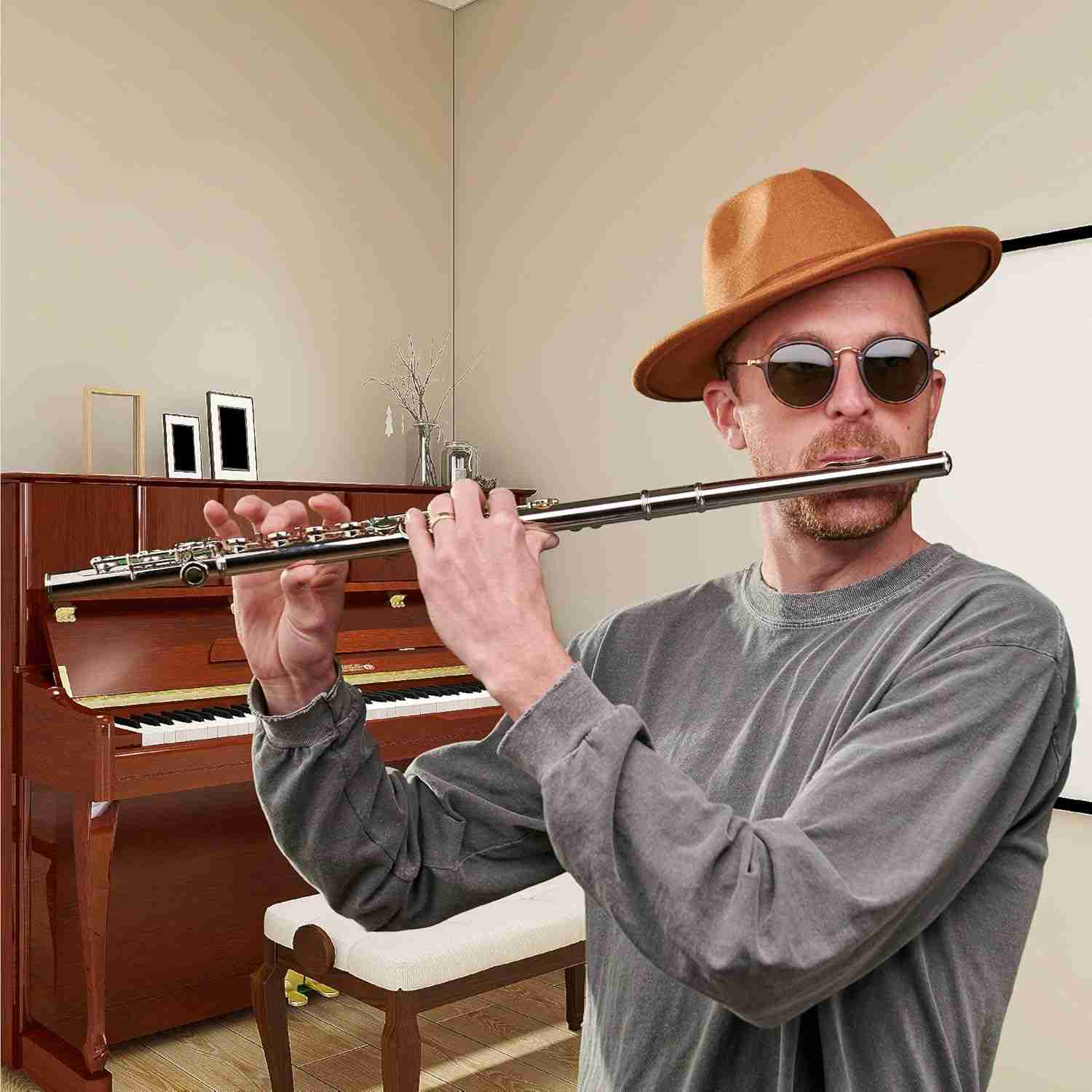
The flute is one of the oldest and most beloved woodwind instruments. It produces sound when air flows across its mouthpiece, creating a light, airy tone that’s instantly recognizable. Flutes come in many shapes and sizes, from the tiny piccolo to the deep-sounding bass flute.
You’ll hear flutes in classical orchestras, jazz ensembles, pop ballads, and even traditional folk music around the world. They’re known for their expressive range and ability to blend beautifully with other instruments.
🎻 Fiddle
Technically, a fiddle is the same instrument as a violin, but the way it’s played makes all the difference. Fiddlers often use quicker bowing techniques and play lively tunes that are perfect for dancing. You’ll find fiddles in bluegrass, Celtic, country, and folk music.
The term “fiddle” brings a sense of tradition and storytelling. It’s more than just an instrument, it’s a cultural icon in many parts of the world.
🎺 Flugelhorn
The flugelhorn looks like a trumpet but has a wider, more conical bore. This gives it a softer, more mellow sound that’s perfect for jazz solos and brass band harmonies. It’s not as bright as a trumpet, but that’s exactly why musicians love it, it adds warmth and depth to any ensemble.
Jazz legends like Chuck Mangione helped popularize the flugelhorn, and it continues to be a favorite among brass players looking for a smooth, lyrical tone.
🥁 Frame Drum
The frame drum is one of the oldest percussion instruments in history. It’s basically a drum with a shallow frame and a single drumhead. You’ll find it in Middle Eastern, Indian, and Mediterranean music, often played with fingers or palms.
Frame drums are used in spiritual ceremonies, folk dances, and classical compositions. Their earthy, resonant sound connects deeply with human rhythm and emotion.
🎷 French Horn

Elegant and complex, the French horn is a staple in orchestras and film scores. Its circular shape and long tubing give it a rich, velvety tone that can sound heroic, haunting, or tender depending on how it’s played.
Despite its name, the French horn actually has German roots. It’s one of the more challenging brass instruments to master, but its expressive power makes it worth the effort.
🎹 Fender Rhodes
The Fender Rhodes isn’t your typical piano. It’s an electric keyboard invented in the mid-20th century, famous for its warm, bell-like tone. You’ll hear it in jazz, funk, soul, and even rock music.
Artists like Herbie Hancock and Stevie Wonder helped make the Rhodes a household name. Its sound is smooth, dreamy, and instantly nostalgic.
🪘 Friction Drum
The friction drum is a unique percussion instrument that produces sound through friction rather than striking. It’s often used in traditional ceremonies in Africa and Latin America. Players rub a stick or cord attached to the drumhead to create rhythmic vibrations.
It’s not commonly seen in modern pop or classical music, but it holds deep cultural significance in the regions where it’s played.
Honorable Mentions: Rare and Regional F Instruments
Not every instrument that starts with F is widely known, but that doesn’t mean they’re any less interesting. Here are a few lesser-known gems worth exploring.
🎵 Fujara
The fujara is a Slovakian overtone flute known for its haunting, meditative sound. It’s traditionally played by shepherds and has a long, slender body that produces deep, resonant tones. It’s a symbol of Slovak folk heritage and is recognized by UNESCO as part of the world’s intangible cultural heritage.
🎵 Fipple Flute
This is a category of flutes that includes recorders and tin whistles. They’re easy to play and often used in early music education. The fipple design directs air into the instrument, making it ideal for beginners and folk musicians alike.
🎵 Fortepiano
The fortepiano is the predecessor of the modern piano. It was popular in the 18th century and used by composers like Mozart and Beethoven. Its sound is lighter and more delicate than today’s pianos, offering a glimpse into the musical past.
🎵 Firikyiwa
This small bell is used in Ghanaian music, often played by dancers or percussionists. It’s held in one hand and struck with a metal rod, producing a sharp, rhythmic tone that cuts through the ensemble.
🎵 Fisarmonica
The fisarmonica is the Italian word for accordion. It’s a staple in Italian folk music and has a rich, expressive sound that’s perfect for romantic ballads and lively dances.
🎵 Flageolet
An early type of flute, the flageolet was popular in France and England during the Renaissance and Baroque periods. It has a sweet, delicate tone and was often used in chamber music.
🎵 Finger Cymbals

These tiny cymbals are worn on the fingers and used in belly dancing and folk performances. They add sparkle and rhythm to the dancer’s movements and are surprisingly versatile for such a small instrument.
Instrument Families Represented by “F” Instruments
Musical instruments that start with F aren’t just a random collection, they span across nearly every major instrument family. This makes them incredibly useful for teaching, composing, and exploring different musical textures.
🎼 Woodwind Instruments
- Flute: A classic woodwind with a bright, airy tone.
- Fipple Flute: Includes recorders and tin whistles, great for beginners.
- Fujara: A deep, overtone flute with roots in Slovak folk music.
- Flageolet: A delicate early music flute.
These instruments rely on air and breath control, making them expressive and dynamic.
🎺 Brass Instruments
- French Horn: Known for its rich, velvety sound.
- Flugelhorn: Mellow and lyrical, perfect for jazz.
Brass instruments add warmth and power to ensembles, and the F instruments here are no exception.
🥁 Percussion Instruments
- Frame Drum: Ancient and versatile, used in many cultures.
- Firikyiwa: A small bell with a sharp tone.
- Finger Cymbals: Add sparkle and rhythm to dance performances.
- Friction Drum: Played by rubbing rather than striking.
Percussion instruments that start with F are often tied to tradition and ceremony, offering rhythmic depth and cultural richness.
🎹 Keyboard and Electronic Instruments
- Fender Rhodes: An iconic electric piano with a dreamy tone.
- Fortepiano: The ancestor of the modern piano.
- Fisarmonica: The Italian accordion, full of emotion.
- Fingerboard Synth: A modern electronic instrument used in experimental music.
These instruments bring harmony, melody, and innovation to the mix.
🎻 String Instruments
- Fiddle: The folk version of the violin, full of energy and soul.
Though the list is shorter here, the fiddle alone carries centuries of musical tradition.
Fun Facts and Musical Trivia
Let’s lighten things up with some fun facts and trivia about these fascinating instruments. You might just impress your friends or students with these nuggets of knowledge.
- The flute is one of the oldest instruments in the world, with versions dating back over 40,000 years.
- The French horn isn’t actually French. It was developed in Germany and only got its name due to a translation mix-up.
- The Fender Rhodes was originally designed as a therapy tool for recovering soldiers during World War II before becoming a jazz icon.
- Fiddles are often tuned slightly differently than violins, depending on the style of music being played.
- The fortepiano was used by Mozart and Beethoven, offering a glimpse into how their music originally sounded.
- Finger cymbals are called “zills” in belly dancing, and they’re used to accentuate movements and rhythms.
- The fujara is so long that players often rest it on the ground while playing, creating a deep, resonant sound that’s almost hypnotic.
FAQs: Quick Answers to Common Questions
Here are a few questions people often ask when exploring musical instruments that start with F.
What’s the difference between a fiddle and a violin?
They’re actually the same instrument. “Fiddle” is just a nickname used in folk and traditional music. The playing style tends to be more rhythmic and lively compared to classical violin techniques.
Is the French horn really French?
Not quite. The modern French horn was developed in Germany. The name “French horn” came from a translation error that stuck over time.
What genres use the flugelhorn?
The flugelhorn is popular in jazz, brass bands, and even pop music. Its mellow tone makes it perfect for smooth solos and rich harmonies.
Can beginners play the flute?
Absolutely. The flute is one of the most accessible woodwind instruments for beginners. It’s lightweight, relatively easy to learn, and widely used in schools and music programs.
What is a fujara?
The fujara is a Slovakian overtone flute known for its deep, meditative sound. It’s traditionally played by shepherds and is recognized as a cultural treasure.
Final Thoughts: Why “F” Instruments Are Worth Exploring
There’s something special about discovering musical instruments that start with F. They’re not just entries in a list, they’re gateways to different cultures, genres, and eras. Whether it’s the soulful sound of a flugelhorn, the rustic charm of a fiddle, or the hypnotic tones of a fujara, each instrument brings its own flavor to the musical world.
If you’re a music teacher, this list can spark curiosity in your students. If you’re a musician, it might inspire you to try something new. And if you’re simply a lover of music, it’s a reminder of how rich and diverse the world of sound really is.
So next time you hear someone mention a flute or a French horn, you’ll know there’s a whole story behind that name, and maybe even a few surprises waiting to be heard.
If you enjoyed reading this article, explore musical instruments that start with G to learn more about the lexicon of musical instruments.
About the Author