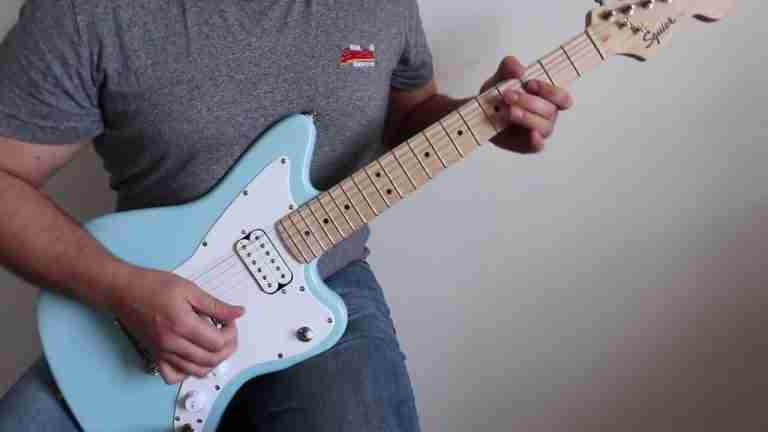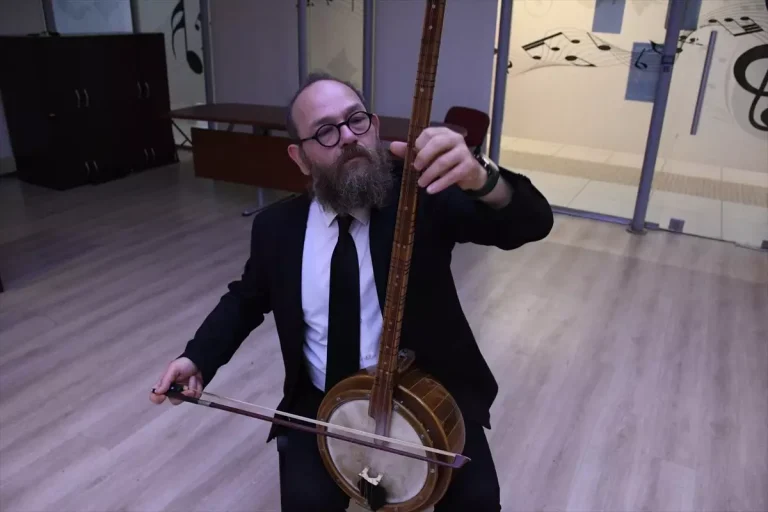
Have you ever found yourself doing a deep dive into music trivia, perhaps challenging yourself to name instruments starting with a certain letter? When we think of the alphabet in a musical context, the letter “W” might feel a little limited. Maybe the Whistle comes to mind first. But as an instrument trainer and enthusiast, I can tell you that the world of music is far more surprising! If you’re curious about musical instruments that start with W, you’re about to uncover a unique collection that spans orchestras, folk bands, movie scores, and cutting edge modern music.
This deep dive will explore these sonic wonders, detailing their origin, unique sound, and place in music history. The sheer diversity of these instruments, from the thunderous depth of an orchestral brass piece to the eerie sound of a modern sound effect creator, proves that every letter of the alphabet holds its own musical magic.
The purpose of this article is to showcase the surprisingly varied and fascinating collection of musical instruments that start with W. We’ll journey through standard wind instruments, unusual brass hybrids, unique stringed cousins of the guitar, and even percussion items you might find in a laundry room. This is more than just a list; it’s an invitation to expand your musical vocabulary and appreciate the ingenuity behind instrument design. Get ready to meet the “W” wonders that make the world a more interesting, and certainly more musical, place.
Wind & Brass Instruments: The ‘W’ Winds and Their Unique Voices
In the orchestra and ensemble setting, the wind and brass sections demand attention. While the saxophone and trumpet may dominate the alphabetical list, the “W” instruments here possess highly specialized roles and truly distinctive timbres.
The Mighty and Mythic: Wagner Tuba
The Wagner Tuba is arguably the most formal and serious instrument on our “W” list. It’s not just a fancy name; this instrument was specifically commissioned by the legendary composer Richard Wagner for his epic opera cycle, Der Ring des Nibelungen (The Ring of the Nibelung) in the mid 19th century.
- Classification: It is a brass instrument, but it’s a wonderful hybrid, a cross between a French Horn and a standard Tuba.
- The Sound: Wagner wanted a sound that could bridge the tonal gap between the mellow, heroic French horns and the darker, heavier trombones. The result is a solemn, incredibly rich, and velvety sound, often used to evoke grand, mythical themes (like the Valhalla motif in the Ring cycle itself).
- Use Today: Because of its specialized nature, the Wagner Tuba is rare outside of orchestral performance. When you hear it, it usually appears in pieces by composers who admired Wagner, like Anton Bruckner and Richard Strauss, and it is also commonly used in film scores when a particularly solemn or heroic horn sound is needed . Interestingly, due to its horn style mouthpiece, it is almost always played by a French horn player, not a tubist.
The Simple and Sweet: Whistle

The whistle is perhaps the most universally recognized musical instrument that starts with W. It is the simplest of wind instruments and comes in a wide variety of forms, showing up in nearly every culture around the globe.
- Classification: It is an aerophone (or wind instrument). Unlike a flute, where the player shapes the sound, the sound in a whistle is produced by a constrained airway, air is directed against a sharp edge, called a fipple, to create the vibration.
- Types and Use:
- Tin Whistle (or Penny Whistle): The iconic sound of Celtic music. These small, high pitched instruments are fundamental to Irish and Scottish folk traditions, valued for their bright, clear tone and portability.
- Slide Whistle (or Swanee Whistle): Often used for comedic or novelty effects, the slide whistle uses a plunger to change the length of the internal column, allowing for its characteristic smooth, sliding pitch.
- Police/Acme Whistle: Used as a signaling device, but its loud, penetrating sound is a rhythmic component in certain genres like early jazz and samba.
The Novelty Aerophone: Whirly Tube
A favorite of educators and sound experimenters, the Whirly Tube (or Corrugaphone) is a delightfully simple and surprising instrument. It’s essentially a corrugated plastic tube that you swing rapidly in a circle.
- How it Works: The speed of the swing pushes air through the tube, creating distinct musical tones. The faster you swing it, the higher the pitch.
- Role in Music: Mostly a novelty instrument or educational tool, it demonstrates the physics of sound and pitch change beautifully.
String Instruments: Woven and Wild Sounds
The string family under the letter “W” contains instruments that are offshoots of the standard guitar, each requiring a special technique and having a unique story in American folk and Hawaiian music traditions.
The Hawaiian Beauty: Weissenborn Guitar
The Weissenborn is an acoustic slide guitar known for its stunning koa wood construction and, most notably, its fully hollow neck.
- Origin: Developed by Hermann Weissenborn in Los Angeles in the 1920s, this instrument was created specifically to capitalize on the massive wave of popularity for Hawaiian music sweeping the mainland at the time.
- Design: Since it’s a lap steel guitar, it is played horizontally on the lap with a slide bar. The strings are raised high above the fingerboard. The hollow neck acts as an extended sound chamber, making the instrument louder and more resonant than a typical acoustic guitar.
- Modern Relevance: While production slowed dramatically after resonator guitars (like Dobros) became more popular, the Weissenborn saw a huge revival thanks to modern musicians like Ben Harper and David Lindley. It is treasured for its warm, deep, sustaining, and ethereal tone.
The Modern Tapping Machine: Warr Guitar
If you’re looking for a thoroughly modern and complex musical instrument that starts with W, look no further than the Warr Guitar. It’s part of the extended family of “touch style” instruments, alongside the Chapman Stick.
- Design: It’s a large, multi-string electric instrument (usually 8, 10, or 12 strings) with a wide neck.
- Playing Technique: The Warr Guitar is designed specifically for two handed tapping, where the player uses both hands to tap the strings directly onto the fretboard, much like playing a keyboard.10 This allows the musician to simultaneously play independent bass lines, chords, and melodies, making them sound like an entire band.
- Musical Role: It’s prominent in progressive rock, jazz fusion, and experimental music, where its incredible versatility and polyphonic (many voiced) capability are fully utilized.
The Folk Staple: Washtub Bass
From the sophisticated electronics of the Warr Guitar, we switch abruptly to the down home simplicity of the Washtub Bass.
- Construction: This homemade string instrument is a classic of American folk and jug band music. It’s essentially a metal laundry tub (the resonator), a broomstick or pole (the neck), and a piece of rope or string connecting them.
- How it Works: The player stands on the tub for stability, plucks the string, and varies the pitch by pulling the stick forward or backward, which changes the string tension and length.
- Sound and Context: It provides a delightful, bouncy, and surprisingly effective bass line for acoustic, blues, skiffle, and country music, giving a wonderfully rustic feel to any ensemble.
Percussion Instruments: The ‘W’ Beats and Unique Sounds
When we shift to the percussion family, the list of musical instruments that start with W becomes both familiar and wonderfully strange. These instruments provide rhythmic drive, texture, and often the most unusual sonic colors to music.
The Everyday Rhythmist: Washboard
We mentioned the washtub in the string section, but the humble washboard is a powerhouse of percussion instruments that start with W.
- The Evolution: Originally designed for laundry, the metal corrugated surface was adopted by musicians in the early 20th century, particularly in the Southern US, as a ready made percussion item.
- Playing Technique: The player wears thimbles on their fingers or uses spoons, scrapers, or specialized metal attachments to rub, tap, and scratch the board, creating complex, bright rhythmic patterns.
- Cultural Context: The washboard is a defining component of Jug Band music and Skiffle music (a genre that fused folk, blues, and jazz elements), which were essential precursors to early rock and roll. It brings an undeniable energy and novelty to any performance, turning a mundane household object into a celebrated rhythm machine.
The Orchestral Standard: Wood Block
The wood block is a much more formalized member of the “W” percussion family, though its simplicity is deceptive.
- Design: It is usually a small, rectangular or cylindrical block of hardwood (often teak or mahogany) with one or two strategically placed slits. These slits act as resonators.
- The Sound: When struck with a mallet, the wood block produces a sharp, piercing, and dry clack sound. The sound is high pitched and projects well, allowing it to cut through large orchestral sections.
- Use: The wood block is a staple in orchestral percussion, used frequently to denote a steady, measured tempo. It is also an integral component in Latin American music, specifically in various Mambo and Cha Cha Cha arrangements, where it serves a crucial rhythmic function.
The Ambient Textures: Wind Chimes
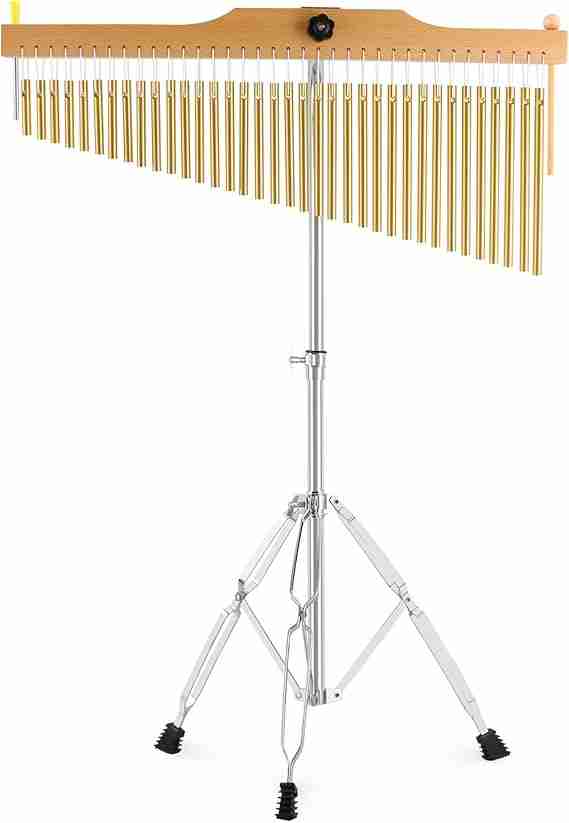
While often considered decorative, wind chimes are a valid, if atmospheric, type of musical instrument that starts with W.
- Classification: They are idiophones, meaning the instrument itself creates the sound through vibration, and they rely on the environment (wind) or a gentle human strike to be activated.
- Materials: They are composed of tubes or rods, made of metal, wood, or bamboo, suspended and arranged to strike one another.
- Role in Music: Wind chimes are rarely used for rhythmic drive. Instead, they are employed to create shimmering, ethereal textures and ambient effects in both classical scores and film soundtracks. They lend a sense of mystery, peace, or often, transition.
The Specialists: Unique and Esoteric ‘W’ Instruments
This section is where we truly discover the depth of musical invention. These instruments are not commonly found in a standard high school band room; they are the specialists, the sound effect gurus, and the pieces that define the outer limits of musical performance.
The Horror Movie Legend: Waterphone
If you have ever been unsettled by a horror film, you have likely heard the sound of the Waterphone.
- Design: Invented by Richard Waters in 1968, the Waterphone is a bizarre and beautiful piece of kinetic sculpture. It consists of a stainless steel resonator bowl or pan with a hollow cylindrical neck, and bronze rods of varying lengths are welded around the rim.
- The Sound: The bowl is partially filled with water. The player typically bows the rods (like a string instrument) or strikes them, while subtly tilting the bowl. This combines the metallic, resonant frequency of the rods with the shifting, sloshing movement of the water inside. The result is a vibrant, atonal, and often incredibly eerie sound, a sort of ghostly, wet whale song .
- Use in Film: The Waterphone is a sound designer’s dream. It has been used to create tension and atmosphere in countless movie scores, including The Matrix, Poltergeist, and ALIENS. Its distinct sound is indispensable for composers looking to create mystery and suspense.
The Philippine Folk Instrument: Wiren
Stepping away from modern inventions and into cultural folk instruments, we find the Wiren.
- Origin: The Wiren is a traditional string instrument of the Philippines, particularly associated with the Igorot people in the mountainous regions.
- Characteristics: It is a type of two stringed fiddle or lute, often played with a bow. While various local string instruments exist, the name “Wiren” points to the simple, but effective, bowed design used in traditional folk ceremonies and storytelling.
The Keyboard’s Precursor: Wurlitzer Electric Piano (The Wurlitzer)
Though technically a brand name, the Wurlitzer Electric Piano is so iconic and essential that the instrument itself is simply known as “The Wurlitzer” or “Wurly.”
- Classification: It is an electromechanical keyboard instrument. Unlike a digital piano, the sound is generated physically by small metal reeds struck by hammers (like a traditional piano), but the sound is then picked up electromagnetically (like an electric guitar) and amplified.
- The Sound: The Wurlitzer has a distinct, warm, and slightly overdriven “bark” when played hard, making it instantly recognizable.
- Musical Legacy: The Wurlitzer sound is an absolute cornerstone of 1970s soul, jazz fusion, and rock music. Think of classics like Supertramp’s “The Logical Song” or Queen’s “You’re My Best Friend.” Its sound adds a retro, soulful depth to any track.
Data Table: Key “W” Instruments at a Glance
For quick reference, educational purposes, and to provide data that can easily be cited, here is a breakdown of the primary musical instruments that start with W covered in this article.
| Instrument Name | Classification | Primary Sound/Tone | Notable Use |
| Wagner Tuba | Brass (Hybrid) | Mellow, solemn, rich, heroic | Orchestral works (Wagner, Bruckner), Film Scores |
| Waterphone | Percussion (Idiophone) | Eerie, atonal, ethereal, vibrating | Horror movie scores, Sound design |
| Weissenborn | String (Lap Steel Guitar) | Warm, sustaining, hollow, resonant | Hawaiian music, Modern Folk, Blues |
| Washboard | Percussion (Idiophone) | Bright, rhythmic, scraping, clicking | Jug Band, Skiffle, Early Jazz |
| Warr Guitar | String (Electric Tapping) | Polyphonic, clean electric guitar/bass | Progressive Rock, Jazz Fusion |
| Whistle (Tin) | Wind (Aerophone) | High pitched, clear, piercing | Celtic and Folk music |
| Wood Block | Percussion (Idiophone) | Sharp, dry, clicking | Orchestral scores, Latin music |
| Wurlitzer (Piano) | Keyboard (Electro mechanical) | Warm, soulful, slightly overdriven “bark” | 70s Soul, Jazz Fusion, Classic Rock |
Deep Dive: The Orchestral Power of the Wagner Tuba
To truly appreciate the Wagner Tuba, we have to step back into the grand world of 19th-century opera and the musical genius of Richard Wagner. This wasn’t an instrument that evolved naturally; it was born purely out of a composer’s need for a very specific sound color.
The Problem of the Ring Cycle
Wagner, while composing his monumental Der Ring des Nibelungen, ran into an acoustic problem. He was creating a sonic world filled with gods, giants, and heroes, and he needed a brass sound that was noble and powerful, yet softer and more integrated than the existing trombones and tubas. He specifically wanted an instrument that could perfectly bridge the warm, conical sound of the French horn with the heavier, cylindrical tone of the trombone and tuba family.
The composer was reportedly influenced by the unearthed ancient Lurs, long, natural brass horns used in Scandinavia in the Bronze Age, and he wanted to capture that primitive, heroic sound but with the modern flexibility of valves.
A Hybrid is Born
The solution, which he initially called a Tuben, resulted in the Wagner Tuba. It’s typically built in two sizes, a tenor in B-flat and a bass in F.
- Horn Player’s Instrument: Crucially, the Wagner Tuba uses a French horn mouthpiece and funnel-shaped bore, rather than the cup-shaped mouthpiece of the traditional tuba. This is why it is almost always played by musicians who specialize in the French horn. This choice ensures the mellow tone quality and a seamless blend with the rest of the horn section .
- The Sound of Valhalla: Its introduction into the orchestra was revolutionary. Its rich, somewhat dark, yet incredibly smooth timbre is what defines the mythical, stately atmosphere of the Valhalla theme in Das Rheingold. It is the sound of epic destiny.
Beyond Wagner, composers like Anton Bruckner became great admirers. In his later symphonies, particularly No. 7, Bruckner uses a quartet of Wagner Tubas in a deeply moving adagio movement, famously written in memory of Wagner himself. Richard Strauss also embraced it for pieces requiring grand, heroic textures, cementing the Wagner Tuba’s place as a specialized, heroic voice in the symphony orchestra.
Deep Dive: The Sunny, Sliding Sounds of the Weissenborn Guitar
Shifting from the European concert hall to the sunny shores of Los Angeles, we find the Weissenborn Guitar, a defining instrument of the early 20th century Hawaiian music craze.
A Quest for Volume
In the early 1900s, Hawaiian music became wildly popular across the United States. A key element of this style was the lap steel technique, where a standard acoustic guitar was laid flat and played with a steel bar (a steel guitar). However, the sound of standard acoustic guitars was easily lost in large ensembles.
Enter Hermann Weissenborn, a German born luthier in Los Angeles. He, along with others, sought to maximize the volume of the acoustic steel guitar before amplification was widely adopted.
The Hollow Neck Innovation
Weissenborn’s most brilliant contribution was the fully hollow neck. Unlike a standard guitar, where the neck is a solid piece of wood, the neck of a Weissenborn is carved out and continuous with the main body cavity.
- Acoustic Advantage: This innovation essentially turns the entire instrument, from the bridge to the headstock, into one large, single resonating chamber . This design resulted in a volume boost and, more importantly, a long, beautiful sustain and a rich, bass heavy timbre that was perfect for the soulful, melancholic melodies of Hawaiian music.
- Aesthetic Appeal: The instruments were primarily built from highly figured Koa wood, a wood native to Hawaii, giving them a distinctive, beautiful grain and a warm, woody voice. The most ornate models, like the Style 4, featured complex rope-pattern binding and trim, making them stunning examples of craftsmanship.
The Modern Comeback
Though the advent of louder resonator guitars like the Dobro briefly overshadowed the Weissenborn in the late 1920s, the instrument’s unique tone was rediscovered by fingerstyle acoustic guitarists and blues artists decades later. Today, its sound is instantly recognizable in modern acoustic and blues music, often associated with artists who appreciate its pure, woody resonance. The Weissenborn is a beautiful example of form following function, resulting in one of the most aesthetically and sonically pleasing musical instruments that start with W.
Deep Dive: Waterphone – The Sound of Unsettling Mystery
The Waterphone offers the most contemporary and specialized sound of all the musical instruments that start with W. It’s the sonic shortcut to tension, mystery, and the supernatural.
The Physics of Fear
The inventor, Richard Waters, drew inspiration from a Tibetan drum that contained a small amount of water. He realized that combining the vibration of metal with the shifting mass of water could create sounds unlike anything heard before.
- Construction: The instrument is a stainless steel vessel (the bowl) which serves as a reservoir and resonator. The bronze rods (spokes) are tuned to various lengths, making it an inharmonic instrument. “Inharmonic” simply means the overtones produced are not mathematically neat or predictable, which is what gives it its characteristic unstable, spooky sound.
- Kinetic Sound: The key to the Waterphone is movement. The player must gently bow the spokes while tilting the bowl. As the water sloshes and moves inside, it changes the resonance of the metal, creating that signature warbling, vibrato effect that sounds like a siren or a distant, tortured cry.
Waterphone’s Domination of Sound Design
The sonic quality of the Waterphone is so distinct, so immediately unsettling, that it quickly became a staple in Hollywood.
- Horror and Suspense: Composers use the Waterphone whenever a scene requires psychological tension without resorting to jarring noise. Its presence in films like Poltergeist, The Matrix, and the score for the ALIENS franchise is legendary. It provides that metallic, vibrating sound that tells the audience, “Something is wrong here”.
- Ubiquity: Beyond the cinema, its unsettling metallic ‘ping’ and shuddering sounds are frequently used in television, from reality shows to nature documentaries, serving as a universal sound cue for “drama” or “discovery.”
The Waterphone is a brilliant demonstration of how musical instruments don’t always need traditional melody or harmony; sometimes, the most effective sound is one that speaks directly to our primal feelings of tension and mystery.
Final Thoughts: The Wide World of ‘W’
We’ve covered a vast range of instruments here, from the simplicity of a Tin Whistle to the complexity of a 12-string Warr Guitar, proving that the letter “W” holds some of the most surprising and specialized instruments in the musical lexicon. Whether you’re drawn to the elegant power of the Wagner Tuba, the rustic charm of the Washtub Bass, or the chilling texture of the Waterphone, each one tells a unique story about human ingenuity and the endless possibilities of sound.
It’s a great reminder that music history isn’t just about the piano or the violin. It’s about the unique tools, the musical instruments that start with W, that composers and musicians have created to express every possible emotion and tell every possible story.
We hope this exploration inspires you to seek out music that features these incredible instruments. The next time you watch a movie or listen to an orchestral piece, see if you can pick out the distinctive, specialized voice of a W wonder!
If you enjoyed reading this article, explore musical instruments that start with V for more information on the lexicon of musical instruments
About the Author