Have you ever noticed how a small instrument can fill a space with beautiful sound? Small instruments are compact, easy-to-carry musical tools, and they’re popular because people search for simple, portable options that still produce rich music. From a harmonica’s soft hum to a ukulele’s bright strum, these instruments prove that great sound doesn’t require size.
So why do small instruments matter? They’re lightweight, affordable, beginner-friendly, and perfect for anyone who wants to make music without heavy gear. They appear in every category: string, wind, percussion, and digital, each offering unique tones and cultural roots.
In this article, you’ll learn what small instruments are, why musicians love them, and which ones you can start playing today, along with a helpful comparison chart to guide your choice.
What Are Small Instruments?
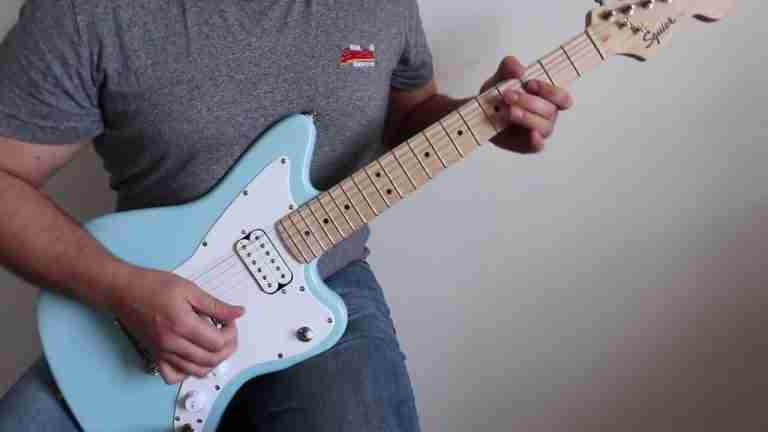
Small instruments are musical tools designed to be compact and portable without sacrificing quality or expressiveness. They range from traditional hand-held folk instruments like the maracas or ocarina to modern travel versions of full-sized ones, such as the mini keyboard or pocket guitar.
At their core, small instruments are about convenience and creativity. They allow musicians to explore music anywhere, on a park bench, in a classroom, or even while traveling. Because they’re smaller, they’re often less intimidating for beginners, making them a great entry point for children and adults alike.
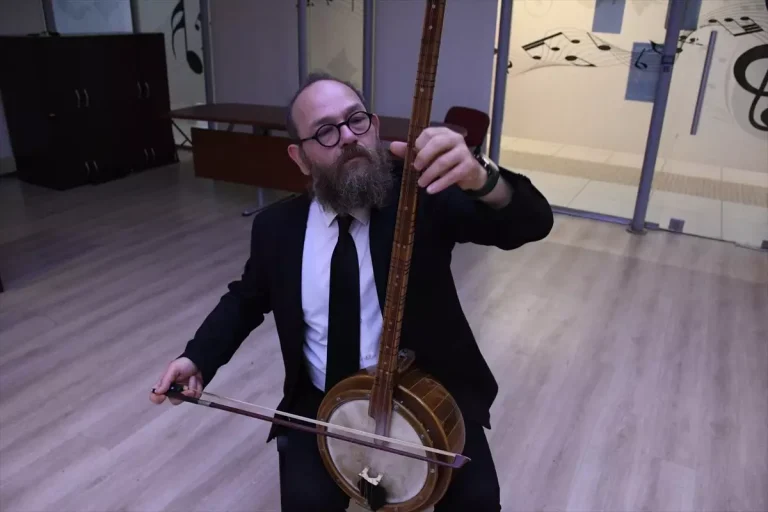
Historically, many of the world’s oldest instruments were small. Ancient flutes made of bone, handheld drums, and primitive string instruments all began as compact tools of sound. Even today, these designs remain popular because of their simplicity and portability.
Some of the most famous examples include:
- Harmonica: A pocket-sized wind instrument with a surprisingly wide range.
- Ukulele: A cheerful four-string instrument from Hawaii loved for its warm, bright sound.
- Kalimba (thumb piano): Originating from Africa, it produces a soft, melodic tone.
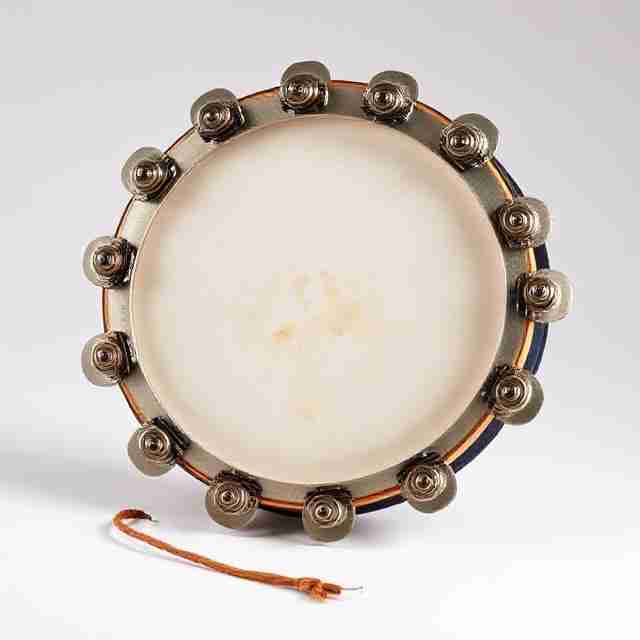
- Tambourine: Used across genres from folk to pop, known for its rhythmic sparkle.
- Ocarina: A small clay or plastic flute with ancient roots in many cultures.
What connects all these instruments is the joy they bring through simplicity. They remind us that music doesn’t always need complexity to move people, sometimes, the smallest sounds make the biggest impact.
🎵 Fun fact: The world’s smallest playable piano is only 85 millimeters long. It was built in Japan and actually produces real musical notes.
Why Choose Small Instruments?
There’s something deeply freeing about playing an instrument that fits in your hand or backpack. Small instruments offer more than convenience, they open doors to creativity in ways larger instruments sometimes can’t. Let’s look at a few reasons musicians and learners love them.
1. Portability and Freedom
Small instruments are easy to take anywhere. You can bring a harmonica to a campfire, a ukulele to the beach, or a kalimba on a long trip. Their size removes barriers between you and your music, no more waiting for the right place or the perfect setup.
2. Budget-Friendly Learning
Most small instruments are affordable, which makes them perfect for beginners or anyone curious about trying something new without a big investment. For instance, a good-quality harmonica or recorder often costs less than a single guitar string set.
3. Beginner-Friendly Design
Smaller instruments usually have simpler structures and fewer notes, making them easier to understand. The ukulele, for example, uses only four strings and simple chords that can be learned in a weekend. That’s why music teachers often start children with smaller instruments, they help build confidence fast.
4. Versatility and Creativity
Don’t be fooled by their size, small instruments can fit into almost any genre. The ukulele can accompany pop songs, the cajón adds rhythm to acoustic sets, and the melodica can carry jazzy or classical melodies. Musicians love blending these instruments into modern arrangements for their fresh sound and playful energy.
5. A Personal Connection to Sound
Small instruments feel intimate. When you play one, the sound is right there in your hands. You feel every vibration and breath. That closeness often leads to more emotional playing, even for beginners.
Below is a simple fact sheet comparing some of the most popular small instruments. It’s an easy guide for anyone thinking of picking one up, and a handy reference for teachers or students.
Popular Small Instruments Comparison
| Instrument | Type | Origin | Average Size | Skill Level | Sound Description | Common Uses |
|---|---|---|---|---|---|---|
| Ukulele | String | Hawaii | 20 in (concert) | Beginner | Warm, cheerful, bright | Pop, folk, acoustic |
| Harmonica | Wind | Europe | 4 in | Beginner–Intermediate | Bluesy, expressive, soulful | Blues, rock, folk |
| Kalimba | Percussion (Lamellophone) | Africa | 6 in | Beginner | Soft, bell-like, meditative | Solo, therapy, world music |
| Ocarina | Wind | Global (Ancient roots) | 5 in | Beginner | Smooth, airy, haunting | Folk, video game music |
| Tambourine | Percussion | Ancient Mediterranean | 10 in | All levels | Rhythmic, bright, jingling | Pop, folk, worship |
| Melodica | Wind/Keyboard | Japan | 16 in | Intermediate | Whistling, clear, playful | Jazz, classroom, travel |
| Cajón Mini | Percussion | Peru | 12 in height | All levels | Deep, percussive, warm | Acoustic, street music |
Source: Data compiled from Yamaha Music Education, Kala Brand Music Co., and Smithsonian Folkways for educational use.
Small instruments aren’t just beginner tools, they’re powerful gateways into the world of sound. From professional studios to small-town classrooms, they help people express themselves without barriers.
Caring for and Maintaining Small Instruments
Small instruments may be portable, but they still deserve careful handling. The good news is that their maintenance is simple once you know the basics. A little attention goes a long way in keeping them sounding great and lasting for years.
1. Keep Them Clean
After each use, wipe your instrument with a soft cloth to remove dust, oils, or moisture. For wind instruments like harmonicas or recorders, it’s important to remove any trapped moisture. Wooden instruments should be wiped gently to avoid warping.
2. Store Properly
Always keep your small instruments in a case or protective bag. Extreme temperatures or humidity can affect their tone and structure. Instruments made from wood or metal are especially sensitive, so avoid direct sunlight or damp areas.
3. Regular Tuning
Many small string instruments, such as the ukulele or mandolin, need regular tuning. Even a slight change in temperature can shift the strings. A clip-on tuner or smartphone app can help you stay in tune.
4. Handle with Care
Because small instruments are light and delicate, dropping or over-tightening parts can damage them. Always handle them with both hands when possible, especially those with reeds or strings.
5. Simple Maintenance Tools
Keep a small kit handy, a soft cloth, brush, cleaning swab, and tuner. If your instrument has screws or reeds, a precision screwdriver set can be useful.
🎵 Pro Tip: For wind instruments like the harmonica or melodica, avoid eating or drinking sugary beverages before playing. It helps prevent moisture buildup and keeps reeds cleaner longer.
Taking a few minutes after each session to care for your instrument will keep it sounding rich and reliable. And the better it sounds, the more you’ll want to play.
How Small Instruments Are Used in Modern Music
Small instruments aren’t just classroom tools or travel companions, they’re making waves in today’s music scene. Artists and producers around the world are rediscovering their charm and using them in creative, unexpected ways.
In Pop and Folk Music
The ukulele has made a huge comeback in pop and indie music. Its cheerful tone appears in songs by artists like Train, Jason Mraz, and Twenty One Pilots. Its simplicity and uplifting sound make it ideal for sing-along tracks.
In Jazz and Experimental Genres
The melodica has become a favorite among jazz musicians for its playful, expressive quality. Its blend of breath and keys allows for smooth phrasing similar to wind instruments. Bands such as Gorillaz and street jazz performers use it to add color and surprise to their sound.
In Film and Game Music
Composers often use small instruments to create unique tones in soundtracks. The ocarina, for example, became famous through video games like The Legend of Zelda, where its haunting sound evokes nostalgia and emotion.
In Therapy and Education
Small instruments also play a vital role in music therapy. The kalimba, shaker, and drum are used in relaxation exercises and mindfulness sessions because of their gentle, rhythmic tones. In schools, recorders, ukuleles, and tambourines teach rhythm, melody, and cooperation in an engaging way.
In Street and Travel Performances
Buskers love small instruments because they’re easy to carry and set up. A performer with just a cajón, a harmonica, or a ukulele can capture an audience almost anywhere.
🎧 Insight: According to a 2024 report from the Music Trades Association, portable and small instrument sales grew by over 22% in the past five years — a clear sign that musicians everywhere value flexibility and mobility.
Small instruments bring a kind of freedom that modern life demands, spontaneous, light, and creative. They fit perfectly into a world that moves fast but still craves authentic, heartfelt sound.
Fun and Unusual Small Instruments You’ve Probably Never Heard Of
While the ukulele and harmonica steal most of the spotlight, there’s a whole collection of lesser-known small instruments that can spark curiosity and creativity. Here are a few fascinating ones worth exploring.
Jaw Harp
A tiny instrument held against the teeth and plucked to produce a twanging, rhythmic sound. It’s ancient, easy to carry, and surprisingly addictive once you get the hang of it.
Stylophone
A pocket-sized electronic instrument played with a stylus. Its buzzing tone was popular in the 1960s and is still used today for retro or experimental music.
Pocket Sax
A small, plastic saxophone-like instrument that fits in your bag. It has a rich tone that blends flute and sax qualities, making it perfect for travel practice.
Toy Piano
Don’t let the name fool you, many professional composers use toy pianos for their delicate, bell-like sound. It’s small, charming, and instantly nostalgic.
Otamatone
A modern Japanese invention shaped like a music note with a smiling face. It makes quirky electronic sounds and has become popular in online performances.
These instruments may look unusual, but each has a distinct character. They remind us that music is about curiosity as much as skill, and that joy often comes from trying something new.
Final Thoughts: Big Sounds Come in Small Packages
Small instruments may appear simple at first glance, but they hold incredible depth, culture, and creativity within their compact frames. These small musical instruments have shaped traditions across continents and continue to inspire musicians of all ages. Whether it’s the bright strum of a ukulele, the soulful cry of a harmonica, or the calming resonance of a kalimba, these compact musical instruments prove that music doesn’t need to be loud or elaborate to be powerful.
What makes small instruments truly special is how accessible they are. As portable instruments, they fit effortlessly into daily life, inviting you to pause, experiment, and enjoy the pure joy of creating sound. They’re also some of the most beginner friendly instruments, making them perfect for homes, classrooms, travel, and anyone curious about music.
If you’ve ever felt that learning music was too difficult or too expensive, these easy instruments to learn might be your perfect starting point. Pick one up, feel its texture, pluck or blow your first note, and let the sound surprise you. You may find that a tiny instrument carries big emotion—and the inspiration to start your own musical journey.
About the Author