Ever wonder which letter of the alphabet holds the most sonic surprises? If you’re like me, a lifelong music enthusiast and instrument collector, you’ll agree that the letter ‘S’ is a serious contender. From the polished brass of the orchestra to the intricate woodwork of global folk music, ‘S’ presents a stunning variety of sound makers. If you’ve landed here looking for a comprehensive list, you’ve come to the right place: the most prominent musical instruments that start with S include the Saxophone, the Sitar, and the Snare Drum, spanning the entire spectrum of musical families, wind, string, and percussion. This article is your backstage pass to understanding these fascinating S family instruments, exploring their history, their unique sounds, and the genres they define. So grab a cup of coffee, maybe put on some cool jazz, and let’s dive deep into the diverse world of sounds beginning with ‘S’.
The Big Three: Essential “S” Instruments
When we talk about musical instruments that start with S, three magnificent tools immediately spring to mind. These instruments haven’t just carved out niches; they’ve fundamentally shaped entire genres and musical traditions. Let’s start with the giants: the saxophone, the sitar, and the steel drum.
A. Saxophone: The Voice of Jazz
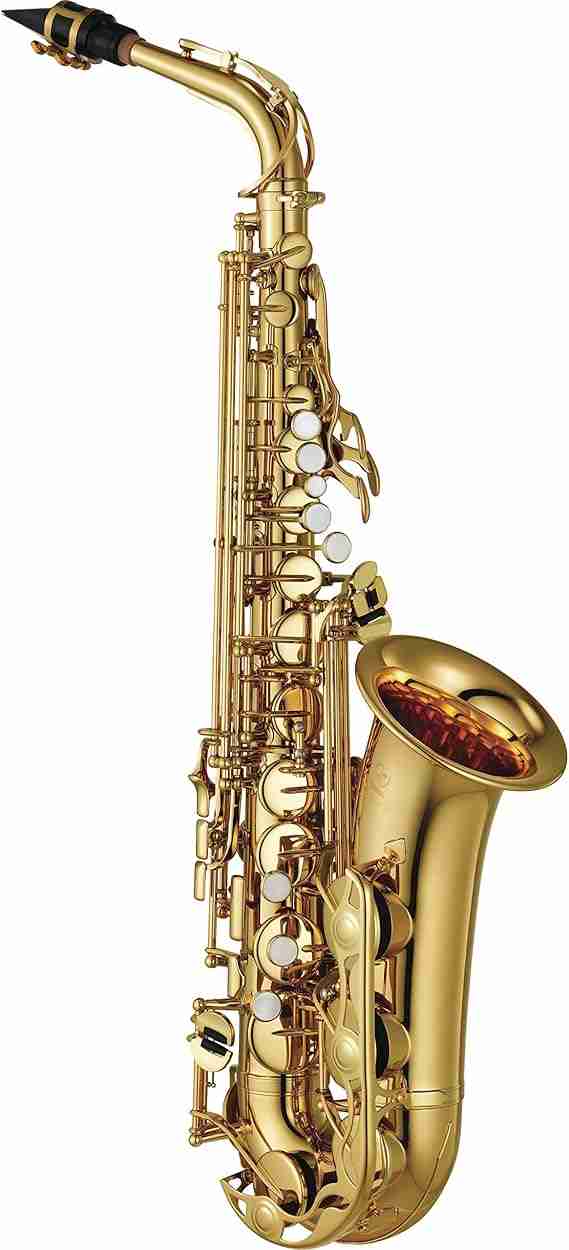
If any instrument embodies the sound of the mid-20th century, it’s arguably the Saxophone. It has this incredible versatility, sounding sweet and lyrical one moment, then gritty and defiant the next.
Family and Structure
Though made entirely of brass, the saxophone is officially classified as a Woodwind instrument. Why? Because sound is produced by vibrating a single reed on a mouthpiece, much like a clarinet. This classification sometimes confuses newcomers, but the physics of sound production is what truly matters here. Invented in the 1840s by the Belgian instrument maker Adolphe Sax, it was originally intended for both orchestral and military band use. It didn’t truly find its voice, however, until it became the cornerstone of Jazz.
Read our post on best saxophone for Jazz
Key Types and Sound
The saxophone family is vast, covering an astounding range of pitches. The four most common types you’ll encounter are:
- Soprano Saxophone: Straight or curved, with a bright, piercing voice, often heard in solo lines.
- Alto Saxophone: The most common starting instrument, known for its clear, expressive tone, pivotal in classical music and jazz solos.
- Tenor Saxophone: Slightly larger, recognized for its warm, dark, and often sensual tone; the iconic voice of many jazz legends.
- Baritone Saxophone: The big one, played often in a sitting position due to its weight, providing the deep, resonant bass lines in big bands.
Understanding these subcategories is crucial when discussing musical instruments that start with S, as they show how a single invention can blossom into an entire sonic section.
B. Sitar: The Buzz of India
Shifting gears entirely, we move from the modern Western bandstand to the ancient musical traditions of the Indian subcontinent. Here, the Sitar reigns supreme, captivating listeners with its shimmering, resonant sound.
Family and Structure
The sitar is a highly complex Plucked String Instrument (a chordophone) used primarily in Hindustani classical music (the tradition of North India). It’s instantly recognizable by its long, deeply curved neck, a large gourd or pumpkin resonator (tumba) at the base, and its stunning number of strings, typically 18 to 21 strings in total.
Key Feature: Sympathetic Strings
What gives the sitar its unique, almost ethereal buzz? It’s the combination of the jawari (a flat bridge that creates the characteristic “buzzing” sound) and the sympathetic strings. These lower strings are not played directly by the musician but are tuned to vibrate in resonance with the main playing strings, enriching the sound and making it incredibly full and sustained. This intricate construction makes it one of the most mesmerizing musical instruments that start with S in the string family.
Cultural Impact
Thanks to artists like Ravi Shankar, the sitar gained global prominence in the 1960s, influencing Western rock and pop music. Its deep cultural roots mean that studying the sitar is not just learning an instrument; it’s engaging with centuries of musical history and philosophy.
C. Steel Drum (Pan): The Sound of the Caribbean
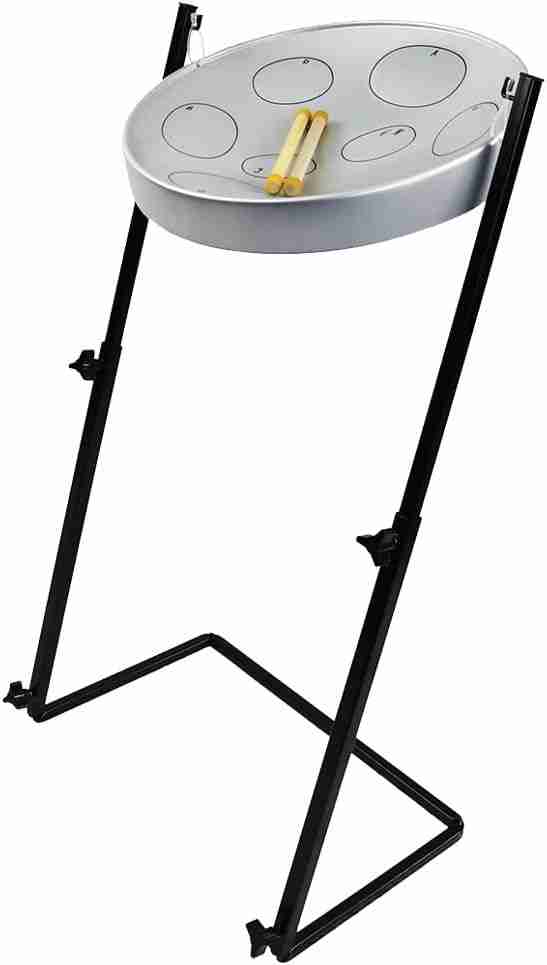
Our final “Big Three” instrument is a fantastic, relatively modern invention. The Steel Drum, or Pan, is a symbol of joy, celebration, and innovation, hailing from the islands of Trinidad and Tobago.
Family and Origin
The Steel Drum is a Percussion instrument, specifically an Idiophone, meaning the instrument itself vibrates to produce sound. In a wonderful twist of fate, it is the only acoustic musical instrument to be invented in the 20th century. Born out of necessity and creativity in the 1930s and 40s, early pans were crafted from discarded oil barrels.
How It Works
A pan player uses mallets to strike the top surface, which has been painstakingly hammered into concave sections, or notes. Each section is carefully tuned to a specific pitch. The skill in making a steel drum (pan tuning) is an incredible craft, requiring a deep understanding of metallurgy and acoustics. Different sizes of pans are used to cover various musical ranges, from the high, bright treble pan to the deep, resonant bass pan. Its cheerful, metallic sound is instantly evocative of island life and is a powerful example of how humble materials can be transformed into essential musical instruments that start with S.
Strings, Strummed, and Plucked (Focus on Chordophones)
While the sitar may be the most famous, the “S” string section is incredibly diverse, showcasing instruments from the farthest corners of the world. This section focuses on a handful of lesser known, but equally important, string musical instruments that start with S, highlighting how various cultures have approached the fundamental task of vibrating a taut string to make music.
A. Sarod: The Fretless Counterpart
Returning to India, the Sarod is another crucial string instrument in Hindustani classical music, often performing alongside or instead of the sitar.
Unlike the sitar, the sarod is fretless. This means the musician slides their fingernails against the strings on a smooth metal fingerboard, allowing for incredibly fluid, vocal-like slides (glissandi) between notes. Its deep, powerful sound and capacity for emotional expression make it a powerhouse among S family instruments. It typically has a skin or membrane stretched over the resonator, giving it a somewhat more percussive attack than the sitar.
B. Shamisen: Japan’s Three-Stringed Lute
The Shamisen is a traditional Japanese plucked string instrument that looks a bit like a banjo or a long-necked guitar, though its function and sound are uniquely Japanese.It has just three strings and a long, slender neck. The player uses a large, triangular plectrum called a bachi to both pluck and strike the strings, often hitting the skin of the resonator head, which is usually covered with cat or dog skin (though synthetic materials are common today). This combined plucking and striking technique gives the shamisen a sharp, percussive quality that is central to Japanese folk music (min’yō) and theatrical music (Kabuki). Its simple structure belies its powerful role in traditional performance.
C. Santur: The Hammered Dulcimer
The Santur takes the string instrument concept and flips it on its head. Instead of plucking or bowing, the santur is a hammered dulcimer, an instrument where the strings are struck with small wooden mallets.
The body of the santur is a shallow, trapezoidal box with dozens of strings stretched over small bridges. Originating in Persia (Iran), its design and sound have influenced hammered dulcimers across the Middle East, India (where it’s also called Santoor), and beyond. When played, the santur produces a delicate, bell-like cascade of notes, a truly unique approach to making music with S family instruments.
D. Spinet: The Small, Intimate Keyboard
Moving back to European traditions, the Spinet is a small, wing shaped keyboard instrument from the harpsichord family.
Like a harpsichord, the spinet produces sound by plucking the strings with a plectrum (typically quill or plastic) when a key is pressed. Its strings run obliquely, or at an angle, to the keyboard, giving it a compact, space-saving shape. Popular in the 17th and 18th centuries, it was often used in homes for private practice or intimate chamber music, making it a crucial, if somewhat less bombastic, entry on our list of musical instruments that start with S.
Fact Sheet: “S” Instrument Families at a Glance
This table provides a quick, citable breakdown of the diverse nature of musical instruments that start with S, grouping them by their sound-producing family for easy reference.
| Instrument Name | Primary Instrument Family | Origin / Key Context | Sound Production Method |
| Saxophone | Woodwind (Reed) | Belgium (Adolphe Sax), Jazz Music | Single reed vibrates air column |
| Sitar | String (Plucked Chordophone) | India, Hindustani Classical Music | Strings are plucked with a plectrum/wire |
| Snare Drum | Percussion (Membranophone) | Military/Orchestral, Drum Kit | Sticks strike a tensioned membrane |
| Steel Drum (Pan) | Percussion (Idiophone) | Trinidad and Tobago, Calypso | Striking specific, tuned surface areas |
| Sarod | String (Plucked/Fretless) | India, Hindustani Classical Music | Fingernails slide along metal fingerboard |
| Shamisen | String (Plucked Lute) | Japan, Folk/Theatrical Music | Strings struck/plucked with a large plectrum |
| Santur | String (Hammered Dulcimer) | Persia (Iran), Classical/Folk | Strings struck with small mallets |
| Sousaphone | Brass (Aerophone) | USA (John Philip Sousa), Marching Band | Player buzzes lips into a large mouthpiece |
| Spinet | Keyboard (Harpsichord Family) | Europe (17th/18th Century) | Strings are plucked by a small plectrum |
After exploring the delicate world of plucked strings, let’s make some noise! The letter ‘S’ also brings us some of the most fundamental and loud instruments in the rhythm section and the bandstand. This section will explore the vital percussion and wind S family instruments, highlighting their critical roles in everything from the modern trap set to the marching band field.
A. Snare Drum: The Engine of Rhythm
If you want to talk about percussion, you have to start with the Snare Drum. It’s the driving force, the sonic backbone, and the essential engine behind countless musical genres, from rock and pop to military marches and orchestral compositions.
Family and Design
The snare drum is a Membranophone, meaning its sound comes from the vibration of a stretched membrane (the drumhead). What makes it one of the most distinctive musical instruments that start with S is the set of taut wires, or snares, stretched across the bottom head.
When the top head is struck, the resulting vibration excites the snares below, causing them to buzz against the bottom head. This gives the snare its characteristic crisp, rattling, and articulate sound, which is essential for defining the backbeat of a groove. Turn the snares off (using a small lever called the throw-off), and the instrument transforms into a simple, dry tom-tom. This dual nature makes the snare incredibly versatile.
Core Role in Music
In an orchestra, the snare drum provides dramatic rhythmic accents or military color. In a modern drum kit, it is positioned centrally for a reason: it plays the majority of the crucial syncopations and accents that dictate the feel of a song. Without the defining crack of the snare, music loses its rhythmic anchor.
B. Shaker and Shekere: Global Rhythm Essentials
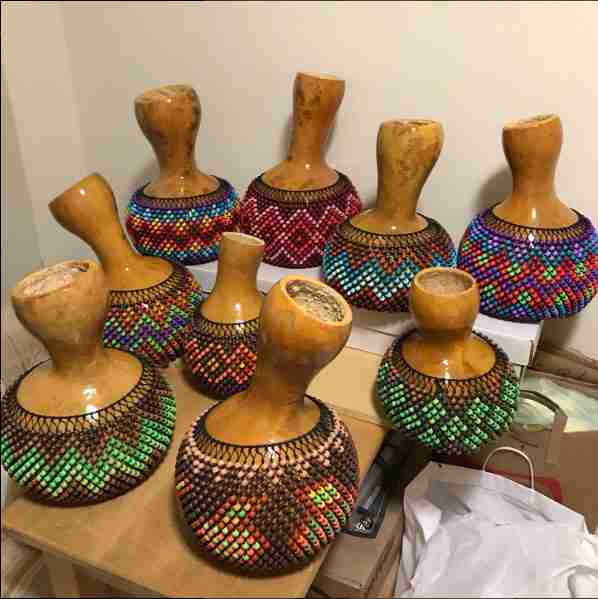
Moving to the simpler, yet no less essential, side of percussion, we find the Shaker and the Shekere. These musical instruments that start with S are found in folk, world, and contemporary music globally.
A Shaker is simply a container (often cylindrical or ovoid) holding small particles like beads, seeds, or sand. Sound is produced when the player shakes the instrument, causing the internal material to strike the walls. They provide the high-frequency rhythmic texture, the musical sizzle, that complements the deeper sounds of drums. Think of the gentle hiss in Latin jazz or the driving pulse in acoustic folk music.
The Shekere is a unique type of shaker, originating in West Africa and crucial to Cuban, Brazilian, and other Afro-Latin musical traditions. It’s typically a dried gourd that is elaborately wrapped in a net of cowrie shells, beads, or seeds. The player both shakes and strikes the bottom of the gourd, allowing the beads to rattle against the exterior. This technique allows for highly complex rhythmic patterns, giving the shekere a much more percussive and dynamic sound than a simple internal shaker.
C. Sousaphone: The Marching Band Giant
The final major wind instrument beginning with ‘S’ is a truly iconic brass behemoth: the Sousaphone.
The Tuba’s Field Cousin
The sousaphone is essentially a specialized, large-bore Tuba that has been modified specifically for use in marching bands. It was developed in the late 19th century by J. W. Pepper at the suggestion of American bandmaster John Philip Sousa (hence the name).
Unlike the standard concert tuba, which points upward, the sousaphone is designed to wrap around the player’s body, distributing the considerable weight across the shoulders. Crucially, its large bell is designed to face forward, projecting its rich, deep bass sound over the rest of the band, ensuring the rhythmic foundation of the music is heard clearly across the entire field or parade route. The sousaphone remains an indispensable piece of kit, providing the lowest register and the rhythmic anchor for virtually every marching ensemble.
Instruments From Around the World (Global Showcase)
Our journey through musical instruments that start with S wouldn’t be complete without looking at some historical gems and geographically specific instruments. These instruments may not be everyday household names, but they offer incredible insight into musical evolution and tradition.
A. Sackbut: The Renaissance Trombone
Let’s step back in time to the Renaissance and Baroque periods to meet the Sackbut.
The name itself is derived from the Old French sacquer (to pull) and bouter (to push), a perfect description of the slide motion used to play it. Simply put, the sackbut is the direct precursor to the modern Trombone.
While visually similar to its modern descendant, the sackbut has a significantly smaller bell and a narrower bore, giving it a much softer, more vocal, and mellow tone. This gentle sound was highly valued in Renaissance ensembles, where it was often paired with the cornett to perform polyphonic music in churches and courts. The sackbut’s ability to smoothly slide between notes (portamento) and play chromatically made it revolutionary for its time, securing its place as an essential wind instrument.
B. Serpent: The Brass Snake
Continuing with historical brass instruments, the Serpent holds the title for perhaps the most bizarre shape on this list.
Invented in France around 1590, the serpent is a bass wind instrument designed to accompany the choir in church music, particularly Gregorian chant. It’s made of wood, covered in leather, and is bent into a serpentine (snake-like) curve, hence the name. Despite being made of wood and having finger holes like a woodwind, it is classified as a Brass instrument because it is played with a cup-shaped mouthpiece (like a trumpet or trombone). Its sound is deep, rich, and often described as being able to blend seamlessly with the human voice. Before it was largely replaced by the Ophicleide and later the Tuba in the 19th century, this unique S family instrument served as a vital bass voice in military bands and early orchestral works.
C. Sanxian: China’s Three-Stringed Lute
We previously touched upon the Shamisen in Japan, but its close relative and ancestor from China is the Sanxian (literally “three strings”).
This traditional Chinese lute has a long, slender, fretless neck and a small, rounded rectangular sound box traditionally covered with snake skin . It is plucked either with the fingernails or a plectrum. The combination of the fretless fingerboard and the snakeskin membrane gives the sanxian a distinctive dry, percussive, and somewhat banjo-like tone.
There are different sizes, the larger Da Sanxian from the north and the smaller Xiao Sanxian from the south, used for different forms of ballad singing, regional opera, and traditional ensembles. Its energetic sound makes it a cornerstone of certain Chinese folk and narrative music genres, showing once again the global reach of musical instruments that start with S.
The Versatility of ‘S’: Genre and Ensemble Roles
The final area to consider is how these S instruments fit into the broader world of music, proving just how much sonic territory the letter ‘S’ covers. When you look across the genres, the letter ‘S’ truly stands for Sound Spectrum.
A. Jazz and Classical Corner
The Saxophone’s role in Jazz is non-negotiable. Its capacity for improvisation, its rich tonal palette, and its dynamic range have made it the primary solo voice in virtually every era of the genre, from the cool tones of Lester Young to the screaming virtuosity of John Coltrane. Furthermore, the Snare Drum and Sousaphone are central to modern marching and concert band compositions, providing the necessary rhythmic pulse and bass foundation, respectively. Even the early orchestral works relied on the deep tones of the Serpent and Sackbut for their foundational bass lines before the advent of the modern tuba and trombone.
B. World Music and Tradition
Here is where the ‘S’ family truly shines with cultural richness. The Sitar and Sarod are not just instruments; they are the core voices of the highly intricate and deeply spiritual Hindustani Classical Music tradition. Similarly, the Steel Drum (Pan) is the singular defining sound of Trinidadian Calypso and Soca music, a sound that immediately transports the listener to the Caribbean. The percussive quality of the Sanxian and Shamisen anchors the folk and theatrical music of East Asia, providing a rhythmic and melodic counterpoint to vocal narration. These instruments prove that a simple letter can represent traditions spanning continents and centuries.
C. The Sound Design Element
Finally, consider the instruments that shape the texture, rather than carrying the main melody. The Shaker and Shekere may seem humble, but their presence dictates the subtle groove and energy of a track. They provide the high-end frequency that gives a rhythm life and articulation, demonstrating that every single entry on the list of musical instruments that start with S has a vital job, no matter how small or large the instrument may be.
D. From Screen to Stage: Soundtracks and Modern Adaptations
The power of musical instruments that start with S isn’t limited to traditional ensembles. They frequently pop up in film scores and contemporary orchestral pieces, often for their unique timbres that evoke specific emotions or settings.
The warm, earthy sound of the historical Serpent, for example, has enjoyed a surprising modern resurgence. Composers like Bernard Herrmann used it in classic film scores like Journey to the Center of the Earth to give a deep, primal, and often slightly unsettling feel to underground or ancient scenes.
Meanwhile, the brilliant, metallic resonance of the Steel Drum is a shorthand for tropical paradise in countless commercials and movie soundtracks. Even instruments like the Spinet, while not common, are used in period dramas or historical recordings to authentically recreate the soundscape of Baroque drawing rooms.
This versatility demonstrates a key point: whether providing the foundation in a marching band (the Sousaphone) or creating a specific acoustic texture in a recording studio (the Shaker), the S family instruments offer a massive palette for sound design professionals.
E. The Soloist’s Spotlight: Virtuosity and Expression
While many of these instruments play crucial supporting roles, several are famous for their soloistic capabilities, demanding incredible technical skill from their players.
The Saxophone, of course, is the king of the solo, especially in jazz where players are expected to improvise complex melodic lines with stunning speed and emotional depth. The same can be said for the Sitar and the Sarod in Indian classical music. Here, the musicians are engaging in highly sophisticated melodic improvisation (raga), often lasting many minutes and requiring immense focus, dexterity in string bending, and complete mastery over the instrument’s microtones. The use of sympathetic strings on the sitar adds another layer of complexity, making the instrument sound like an orchestra in miniature.
Even instruments like the Snare Drum become solo voices in certain settings, such as orchestral excerpts or complex drum corps performances where the drummer’s technique and precision are laid bare. These examples show that the list of musical instruments that start with S includes some of the most challenging and expressive tools available to a musician.
Final Thoughts: The Enduring Legacy of the ‘S’ Section
We’ve traveled from the polished parade grounds to the intimate concert halls of India, from the historical courts of Europe to the rhythmic workshops of West Africa. Our journey through musical instruments that start with S reveals not just a list of names, but a deep connection to human culture, history, and innovation.
What really stands out is the incredible range the letter ‘S’ encompasses:
- Materials: From the wood and leather of the Serpent to the stretched snakeskin of the Sanxian, and the hammered steel of the Steel Drum.
- Family: Every major instrumental category, string (Sitar, Sarod, Spinet), wind (Saxophone, Sousaphone, Sackbut), and percussion (Snare Drum, Shaker), is represented.
- Sound: Tones vary from the clear, resonant buzz of the Sitar to the deep rumble of the Sousaphone and the crisp articulation of the Snare Drum.
An Invitation to Exploration
The existence of such a diverse and crucial collection of S family instruments underscores how universally music operates. Whether you’re a professional musician looking to diversify your sound, a student seeking inspiration, or simply a listener curious about the origins of your favorite sounds, the musical instruments that start with S offer a wealth of learning.
Perhaps you’ll next listen to a piece of Hindustani music and appreciate the complexity of the Sarod, or maybe you’ll pay closer attention to the Sackbut next time you hear a recording of early Baroque brass. The world of music is full of magnificent details, and the “S” section is one of the richest. I hope this deep dive has given you a newfound appreciation for these sensational sound makers. Keep listening, keep exploring, and keep learning!
If you enjoyed reading this article, explore musical instruments that start with R for more information on the lexicon of musical instruments.
About the Author