Ever wondered how many musical instruments begin with the letter E? You might think there aren’t many, but the truth is, this single letter opens the door to a surprisingly rich collection of sounds, from traditional Asian strings like the Erhu, to modern marvels like the Electric Guitar and Euphonium.
If you’ve landed here searching for musical instruments that start with E, the answer is right at your fingertips. There are both ancient and modern instruments starting with E, covering every category, string, wind, percussion, and electronic. Some come from centuries-old traditions, while others are products of the digital age.
In this article, we’ll explore these instruments one by one, understanding what makes them special, how they sound, and where they fit into the musical world. Whether you’re a student, teacher, or just a curious music lover, you’re about to meet an entire alphabet of sound that begins with “E.”
“E” Instruments Quick Reference
| Instrument Name | Type | Origin / Region | Key Characteristics | Common Genres / Uses |
|---|---|---|---|---|
| Electric Guitar | String | USA (1930s) | Amplified string sound, used in modern bands | Rock, Pop, Blues |
| Erhu | String | China | Two-stringed bowed instrument, emotional tone | Traditional Chinese, Film Music |
| Euphonium | Brass/Wind | Europe | Deep, mellow brass sound | Orchestra, Military Bands |
| English Horn | Wind | Western Europe | Double reed, rich and haunting sound | Orchestral, Classical |
| Ektara | String | India | One-string folk instrument | Folk, Devotional |
| Electric Violin | String | Global | Modern amplified violin | Jazz, Pop, Fusion |
| Egg Shaker | Percussion | Latin America | Small handheld rhythm instrument | Pop, Latin, Acoustic Sets |
| Ekwe | Percussion | Nigeria | Wooden slit drum used for communication | Traditional, Ceremonial |
| Electronic Drum Set | Percussion | Global | Digital drum kit with sound pads | Rock, Electronic, Practice |
| Emulator Synthesizer | Electronic | USA (1980s) | Digital sampler and keyboard | Synth Pop, Film, Electronic |
(Sources: Smithsonian Music Archives, National Music Museum, China Music Institute, Indian Folk Heritage Journal)
String Instruments That Start With E
String instruments have always been at the heart of music. Those beginning with E are a mix of both time-honored and modern innovations. Let’s explore some of the most popular and unique examples.
1. Electric Guitar
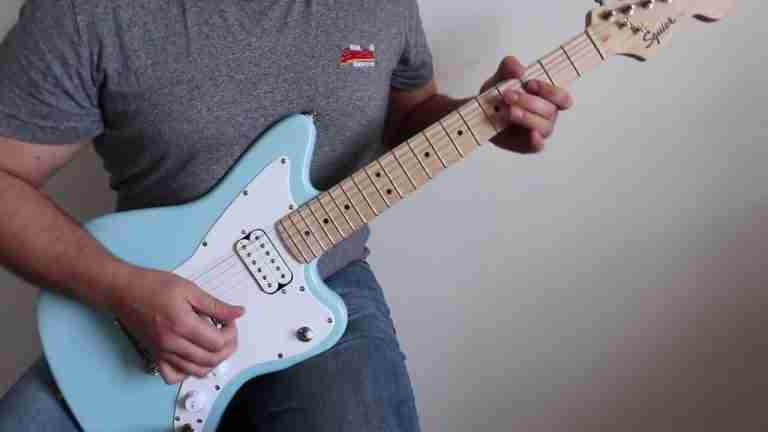
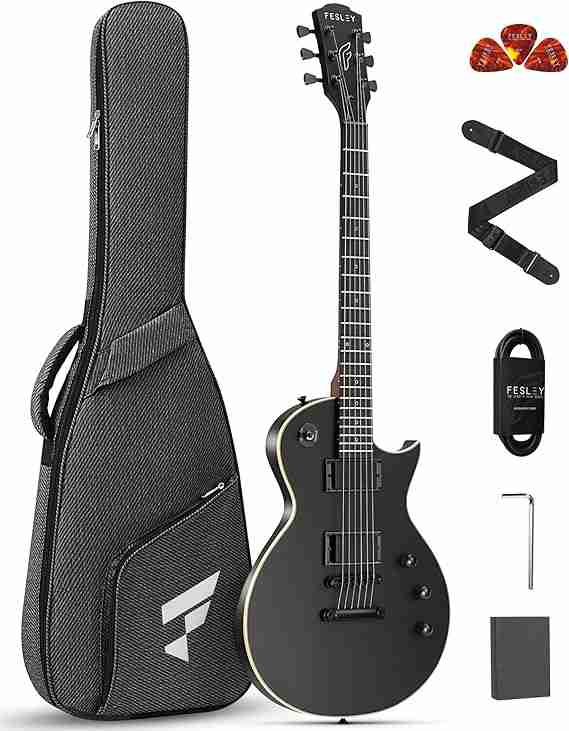
The Electric Guitar is probably the most famous instrument on this list. Born in the early 1930s, it changed the entire landscape of music. Unlike an acoustic guitar, it doesn’t rely on a hollow wooden body for volume, instead, it uses magnetic pickups to convert string vibrations into electrical signals, which are then amplified into powerful sound waves.
It’s impossible to talk about rock, blues, or pop without mentioning this instrument. Legends like Jimi Hendrix, Eric Clapton, and Carlos Santana turned it into an icon of modern music. The electric guitar is more than just an instrument; it’s a voice of creativity and rebellion.
Besides rock, it appears in jazz, country, and even orchestral settings where composers blend electric tones with classical arrangements. Its adaptability and expressive power are why it continues to inspire generations.
Find the best gig bags for electric guitars.
2. Electric Violin
If you’ve ever heard a violin solo that sounds sleek, futuristic, and perfectly balanced with modern beats, it was probably an Electric Violin. Designed to bridge the gap between classical strings and contemporary performance, the electric violin uses electronic pickups instead of a hollow soundbox.
This gives it more control over tone, volume, and effects, allowing musicians to experiment freely with genres like pop, jazz, and rock. Artists such as Lindsey Stirling have shown how this instrument can blend dance, EDM, and violin artistry into one unforgettable experience.
Electric violins also solve one of the biggest issues violinists face: feedback and noise in live performances. With their solid bodies and digital output, they produce clean sound even in loud venues.
Learn more about the best violins for beginners.
3. Erhu
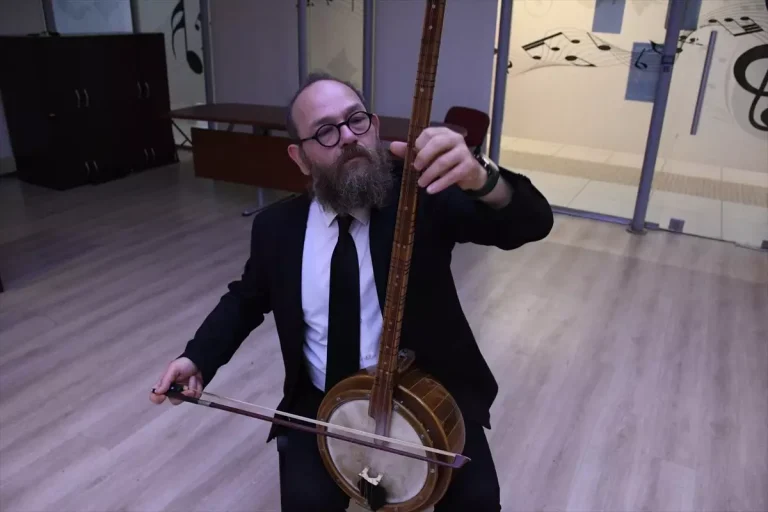
Moving from the modern to the ancient, the Erhu is a traditional Chinese two-string instrument with a history of over a thousand years. Sometimes called the “Chinese violin,” it’s known for its deeply emotional and expressive sound, capable of mimicking the human voice.
The erhu has no fingerboard, which allows musicians to slide smoothly between notes, creating that hauntingly beautiful vibrato often heard in Chinese folk and film music. When played with skill, it can evoke everything from sorrow to serenity.
Today, it’s used not only in traditional Chinese ensembles but also in global fusion projects and movie soundtracks. The erhu is a bridge between cultural heritage and modern creativity.
4. Ektara
The Ektara might be one of the simplest instruments here, but its sound carries deep cultural meaning. It’s a one-string plucked instrument commonly used in Indian folk and devotional music. Traditionally made from a dried gourd or coconut shell and bamboo neck, it produces a rich, resonant tone with a rhythmic twang.
In rural India, wandering singers and poets known as bauls often use the ektara to accompany songs about love, faith, and life. The beauty of the ektara lies in its simplicity. Despite having just one string, it expresses a surprising range of melodies and emotions.
Wind Instruments That Start With E
Wind instruments beginning with E include a few lesser-known gems and some major orchestral favorites. From elegant woodwinds to powerful brass, each one brings its own unique flavor to the musical world.
1. English Horn
Despite its name, the English Horn is not English, nor is it exactly a horn. It’s actually a type of oboe, slightly larger and lower-pitched. Known for its warm, melancholic tone, the English horn adds emotional depth to many orchestral works.
Composers like Dvořák, Berlioz, and Sibelius used it to create soulful melodies that linger in the listener’s memory. Its curved metal crook and pear-shaped bell give it a distinctive sound, darker and more introspective than the oboe.
In symphonies, the English horn often shines in moments that call for deep emotion or reflection.
2. Euphonium
The Euphonium is a brass instrument often compared to a smaller tuba, though its tone is smoother and more lyrical. It’s a staple in concert bands, brass ensembles, and military bands.
With its rich, mellow sound and wide range, the euphonium bridges the gap between the trombone and the tuba. It’s also a favorite for solo performances, especially in wind orchestras. Modern euphonium players often perform intricate melodies that highlight its fluidity and expressiveness.
Fun fact: the name “euphonium” comes from a Greek word meaning “pleasant-sounding.” And indeed, few brass instruments can match its warmth.
3. Early Flute (Ancient Flutes)
Before the modern silver flute we know today, there were early flutes, simple instruments made from bone, wood, or bamboo. These early flutes date back thousands of years and were found in archaeological sites across Asia, Africa, and Europe.
They produced soft, breathy tones that were used in rituals, dances, and ceremonies. Over centuries, these flutes evolved into the modern concert flute, but many cultures still preserve their original forms.
The early flute represents one of humanity’s first steps into organized music, a symbol of how simple tools can create timeless beauty.
Percussion Instruments That Start With E
Percussion instruments are the heartbeat of music. They shape rhythm, create texture, and bring life to every performance. The ones that start with “E” may seem few, but they each carry something distinctive, from the simplicity of an egg shaker to the innovation of electronic drums.
1. Electronic Drum Set
If you’ve ever wanted to practice drums quietly without disturbing the neighbors, you have the Electronic Drum Set to thank. Designed as a modern alternative to traditional acoustic drums, this setup uses rubber or mesh pads connected to a sound module. When you strike a pad, it triggers digitally recorded drum sounds, producing a full drum kit experience through headphones or speakers.
Electronic drums are perfect for both beginners and professionals. You can adjust the volume, switch between dozens of drum kits, and even record your own beats. They also make live performance easier, musicians can blend their drum sounds with backing tracks or electronic music setups seamlessly.
Over the years, major music producers and live performers have relied on electronic drum sets to bring creative flexibility and precision to their sound. They’ve become essential tools in genres like pop, EDM, and even modern jazz.
2. Egg Shaker

At first glance, the Egg Shaker might look like a simple toy, but this tiny percussion instrument plays a surprisingly big role in music. Shaped like an egg and filled with small beads or pellets, it produces a crisp, rhythmic shake that adds a gentle groove to any song.
It’s lightweight, easy to play, and perfect for anyone, from toddlers discovering rhythm to professional musicians layering textures in a recording. The egg shaker is a staple in Latin, pop, and acoustic music. It may not be flashy, but it’s a great reminder that sometimes the simplest instruments make the most universal impact.
3. Ekwe
The Ekwe is a traditional wooden slit drum from Nigeria, carved from a single log. It’s played with sticks and produces different tones depending on where it’s struck. Historically, the ekwe was used for communication across villages, transmitting messages through rhythm, a kind of “talking drum” tradition.
Today, the ekwe continues to hold cultural significance. It appears in ceremonies, dances, and festivals across West Africa. In contemporary settings, it’s also being rediscovered by world music artists who blend its earthy tones with modern percussion. The ekwe isn’t just an instrument; it’s a living piece of history that connects rhythm, culture, and communication.
Keyboard and Electronic Instruments That Start With E
Now let’s move to instruments that have shaped modern soundscapes, the keyboard and electronic family. These instruments combine the artistry of traditional keys with the power of digital innovation.
1. Electric Piano
Before digital keyboards became common, there was the Electric Piano, an invention that brought a fresh, soulful tone to 20th-century music. Unlike the acoustic piano, which uses hammers striking strings, the electric piano uses metal tines or reeds that are amplified electronically.
Iconic models like the Fender Rhodes and Wurlitzer became staples in jazz, funk, and R&B. Think of the smooth chords in classic Stevie Wonder tracks or the warm tone in vintage jazz records, that’s the sound of an electric piano. Its mellow, bell-like voice blends beautifully with both live bands and studio mixes.
Today, digital pianos and synthesizers often include electric piano sounds as presets, keeping this classic tone alive in modern music.
2. Electronic Organ
The Electronic Organ is another milestone in musical innovation. Inspired by the grand pipe organs of churches, the electronic organ replicates their sound using electrical circuits or digital technology. Its portability and range made it popular in homes, churches, and concerts throughout the 20th century.
From soulful gospel music to early rock and blues, the electronic organ played a defining role. The famous Hammond Organ, for example, gave us the warm, swirling tones that shaped songs by artists like Ray Charles and The Doors.
Modern digital versions now feature sampled sounds of vintage organs, ensuring that their timeless warmth continues to inspire new generations.
3. Emulator Synthesizer
In the 1980s, the Emulator Synthesizer marked a turning point in music technology. Created by E-mu Systems, it was one of the first digital samplers, allowing musicians to record real-world sounds and play them back through a keyboard. This was revolutionary at the time.
The Emulator gave artists the power to experiment endlessly. They could sample strings, voices, or any sound imaginable and transform it into music. It became a favorite among film composers and electronic musicians, influencing the sound of pop and synth music for decades.
Without the Emulator, many of today’s music production tools wouldn’t exist. It paved the way for the sampling culture that defines modern electronic and hip-hop music.
Ethnic and Traditional Instruments That Start With E
One of the most beautiful things about music is its cultural diversity. Around the world, different societies have created their own instruments, often made from natural materials and passed down through generations. Many of these traditional gems also begin with the letter E.
1. Esraj
The Esraj is a captivating string instrument from northern India and Bangladesh. It’s played with a bow like a violin but has sympathetic strings that create a rich, shimmering resonance. The esraj combines the soulful depth of the sarangi with the melodic clarity of the sitar.
Historically, it was used in Indian classical and devotional music, often accompanying spiritual songs known as bhajans. Though less common today, it’s finding renewed interest in fusion and world music circles. The esraj’s haunting tone has also been featured in film scores and meditative recordings.
2. Ewe Drum
Originating from the Ewe people of West Africa, the Ewe Drum family includes a variety of hand-crafted drums, each serving a specific purpose in ensemble performances. These drums are central to Ewe traditional music, which is known for its complex polyrhythms and energetic dance rhythms.
The ensemble usually includes the atsimevu, sogo, kidi, and kagan drums, all played in conversation with one another. Beyond their musical function, Ewe drums carry deep cultural meaning, they’re used in rituals, ceremonies, and storytelling.
Today, Ewe drumming techniques are taught in universities and percussion schools around the world, influencing everything from jazz to modern percussion compositions.
3. Ekwe (Revisited)
While already mentioned under percussion, the Ekwe deserves another note here for its cultural role. In traditional Igbo communities of Nigeria, it wasn’t just an instrument, it was a form of communication. Each village had its own drum language, capable of sending messages over long distances. Some historians even refer to it as an early “acoustic telegraph.”
Today, ethnomusicologists study the ekwe as an example of how music and language intertwine, proving that rhythm has always been humanity’s oldest form of connection.
Modern and Experimental “E” Instruments
Music never stops evolving, and that’s what makes it so exciting. Every decade brings new instruments that push creative boundaries, especially in the world of electronic and experimental sound. Let’s take a look at a few modern musical instruments that start with E that are shaping the way we hear and create music today.
1. EWI (Electronic Wind Instrument)
The Electronic Wind Instrument, or EWI, is one of the coolest fusions of traditional and modern technology. It allows wind players to control electronic sounds through breath and finger movements, much like playing a saxophone or clarinet, but with endless tonal options.
Developed in the late 20th century, the EWI has become a favorite of jazz and electronic musicians who want to explore sounds beyond what acoustic instruments can do. You can play realistic saxophone tones, or switch to completely futuristic synth textures at the press of a button.
It’s not just an instrument; it’s a bridge between the physical expressiveness of wind playing and the limitless possibilities of digital sound.
2. Electric Mandolin
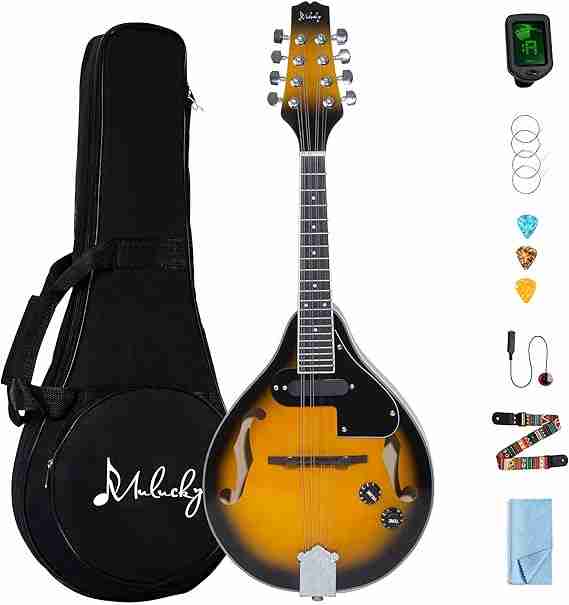
The Electric Mandolin takes the bright, twangy charm of the traditional mandolin and adds the power of amplification. Popular in bluegrass and folk music, this modern version has found its way into rock, country, and jazz settings as well.
It’s often built with a solid body to prevent feedback and comes equipped with pickups similar to an electric guitar. Players love the electric mandolin for its punchy tone and sharp attack, which cut beautifully through band mixes.
From classical crossovers to indie pop, it proves that traditional instruments can thrive in modern soundscapes without losing their identity.
3. Electro-Theremin
Before synthesizers became mainstream, there was the Electro-Theremin, an early electronic instrument that produced eerie, sliding tones using electronic circuits. It was designed to mimic the original theremin but was easier to play since it used a mechanical interface instead of hand gestures.
You’ve probably heard its haunting sound in old sci-fi movie soundtracks or in songs like the Beach Boys’ “Good Vibrations.” The electro-theremin was among the first instruments to explore how electricity could create emotion through sound.
Fun Facts: Hidden Gems and Little-Known “E” Instruments
Let’s take a quick detour to explore a few more fascinating “E” instruments you might not find in every music store but deserve a mention.
- Earth Harp: One of the world’s largest string instruments. Its strings can stretch across a performance hall, creating deep, resonant tones that sound almost otherworldly.
- Electric Cello: A modern reinvention of the classical cello, offering a sleek design and amplified sound perfect for rock and cinematic performances.
- Ektareh: A Persian version of the ektara, used in regional folk music. It has a similar single-string structure but with distinct tonal character.
- Electric Kalimba: A modern take on the African thumb piano, fitted with pickups for amplification in live or studio performances.
- EVI (Electronic Valve Instrument): Similar to the EWI, but designed for brass players, allowing them to perform expressive, breath-controlled synth music.
Music is constantly being reinvented. These instruments prove that even within one letter of the alphabet, there’s a universe of sound waiting to be explored.
Conclusion: The Endless Evolution of “E” Instruments
From the ancient strings of the Erhu to the futuristic tones of the EWI, musical instruments that start with E remind us how rich and varied our musical world truly is. Each one, whether traditional, acoustic, or digital, represents a story about creativity, culture, and the human desire to express emotion through sound.
We’ve seen how the Electric Guitar changed modern music forever, how the Euphonium brought depth to orchestras, and how instruments like the Ekwe and Esraj continue to keep cultural traditions alive. Then there are the modern innovators, the Emulator Synthesizer, Electronic Drum Set, and Electric Piano, which expanded the limits of what we thought instruments could be.
Music evolves because people never stop experimenting. Someone, somewhere, is always creating a new way to make sound, whether with wood, metal, or microchips. That’s the beauty of it. Instruments beginning with E may come from different times and places, but they all share one goal: to make music more expressive and more human.
So the next time you listen to a guitar solo, a brass band, or an ancient melody played on an erhu, remember, behind every note is an instrument shaped by imagination and history. And maybe, just maybe, one of these “E” instruments will inspire your next musical journey.
If you enjoyed reading this article, explore musical instruments that start with F to learn more about the lexicon of musical instruments.
About the Author