Ever found yourself wondering how many musical instruments begin with the letter A? Maybe you’re a music teacher prepping a fun classroom activity, a student working on a project, or just a curious soul who loves discovering new sounds. Whatever brought you here, you’re in for a treat.
Musical instruments that start with A range from everyday favorites like the acoustic guitar and accordion to lesser-known gems like the angklung and aeolian harp. This article is your friendly guide to exploring them all. We’ll walk through their origins, how they’re played, and why they matter, without getting too technical or overwhelming. Think of me as your personal music trainer, here to make learning fun and easy.
So grab a cup of tea, settle in, and let’s explore the rich and fascinating world of instruments that start with A.
Why Alphabetical Instrument Lists Are Surprisingly Useful
You might be thinking, “Why would anyone care about instruments that start with a specific letter?” Fair question. But here’s the thing, alphabetical lists are more than just trivia fodder. They’re practical, educational, and surprisingly fun.
Here’s why they matter:
- Great for music education: Teachers use alphabetical lists to help students learn instrument families and cultural origins.
- Perfect for trivia and games: Whether it’s a pub quiz or a classroom challenge, knowing your A-instruments gives you an edge.
- Helps broaden musical horizons: Most people know guitars and drums, but what about the agogo or the arpeggione? Alphabetical lists introduce you to instruments you might never encounter otherwise.
- Useful for collectors and composers: If you’re building a collection or writing music, discovering new instruments can spark creativity.
Alphabetical exploration also helps us appreciate the diversity of music across cultures. From African drums to Alpine horns, the letter A opens the door to a global soundscape.
Popular Musical Instruments That Start With A
Here’s a quick reference table you can cite or share. It includes the instrument name, type, region of origin, and a brief description.
| Instrument | Type | Region of Origin | Description |
|---|---|---|---|
| Acoustic Guitar | String | Global | A six-stringed instrument used in nearly every genre. |
| Accordion | Keyboard/Reed | Europe | Played by compressing bellows and pressing keys. |
| Agogo | Percussion | West Africa | A double bell used in samba and Afro-Brazilian music. |
| Alphorn | Wind | Switzerland | A long wooden horn used in Alpine folk music. |
| Aeolian Harp | String | Ancient Greece | Played by the wind; used for ambient sound. |
| Angklung | Percussion | Indonesia | Bamboo tubes shaken to produce harmonized tones. |
| Arpeggione | String | Austria | A bowed guitar from the 19th century. |
| Ashiko | Percussion | West Africa | A hand drum similar to the djembe. |
| Accordina | Keyboard/Reed | France | A hybrid between a harmonica and accordion. |
| Appalachian Dulcimer | String | United States | A fretted zither used in American folk music. |
Sources: Lover of Music, MicroCosmologist, Musical Mum
Meet the Musical Instruments That Start With A
Now that we’ve set the stage, let’s dive into the stars of the show, musical instruments that start with A. You’ll find a mix of familiar favorites and hidden gems. Each one has its own story, sound, and cultural flavor.
Acoustic Guitar
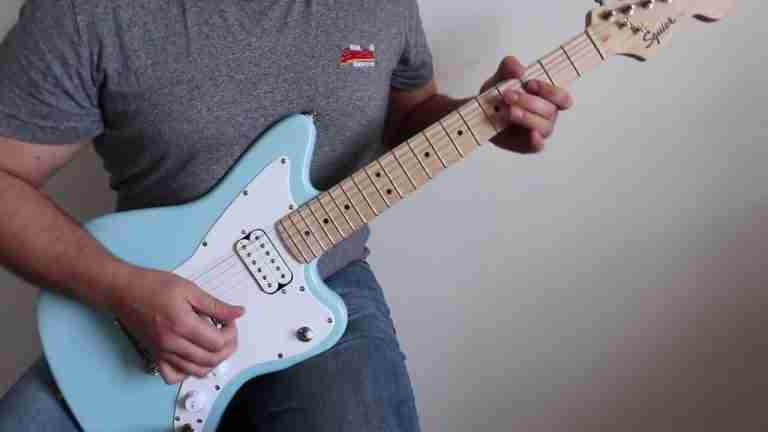
Probably the most well-known on this list, the acoustic guitar is a six-stringed instrument that’s played by strumming or plucking. It’s used in everything from folk and country to pop and classical music. Its hollow wooden body helps produce rich, resonant tones without needing electricity. Whether you’re singing around a campfire or performing on stage, the acoustic guitar is a go-to for musicians worldwide.
Read about best acoustic guitars under $500.
Accordion
The accordion is a keyboard and reed instrument that’s played by compressing bellows while pressing keys or buttons. It’s popular in European folk music, especially in France, Germany, and Italy. You’ll also hear it in Cajun, Zydeco, and tango music. It’s portable, expressive, and surprisingly versatile.
Agogo
This percussion instrument comes from West Africa and features two or more metal bells connected together. It’s played by striking the bells with a stick, producing bright, rhythmic tones. The agogo is a staple in samba and Afro-Brazilian music and adds a lively pulse to any ensemble.
Alphorn
The alphorn is a long wooden horn traditionally used in the Swiss Alps. It can stretch up to 12 feet and produces deep, resonant tones that carry across mountain valleys. Originally used for communication between herders, it’s now a symbol of Swiss folk music and culture.
Aeolian Harp
This ethereal instrument is played by the wind. Yes, you read that right. Strings are stretched across a frame and placed near an open window or outdoors. As the wind passes through, it creates soft, haunting melodies. The aeolian harp has been used for centuries to evoke nature’s voice and is often found in ambient and experimental music.
Angklung
Made from bamboo tubes attached to a frame, the angklung is played by shaking it. Each tube produces a specific pitch, and multiple players often perform together to create harmonized melodies. It’s a traditional Indonesian instrument and is recognized by UNESCO as a Masterpiece of Oral and Intangible Heritage of Humanity.
Arpeggione
This rare 19th-century instrument is a hybrid between a guitar and a cello. It’s played with a bow like a cello but has frets and tuning similar to a guitar. Though it’s not widely used today, it’s remembered thanks to Franz Schubert’s famous “Arpeggione Sonata.”
Ashiko

The ashiko is a hand drum shaped like a tapered cylinder. It originates from West Africa and is played with bare hands. It produces deep, resonant bass tones and sharp slaps, making it perfect for traditional rhythms and modern drum circles alike.
Accordina
A cousin of the accordion, the accordina is a small, mouth-blown keyboard instrument. It combines the layout of an accordion with the breath control of a harmonica. It’s especially popular among jazz and folk musicians in France.
Appalachian Dulcimer
This fretted string instrument comes from the Appalachian region of the United States. It’s played by strumming or plucking while it rests on the lap. The dulcimer has a sweet, mellow tone and is often used in American folk music.
Grouping the A-Instruments by Type
To make things easier to understand, let’s organize these instruments by their type. This helps you see how they fit into the broader world of music.
String Instruments
- Acoustic Guitar – Six strings, played by strumming or plucking.
- Arpeggione – Bowed like a cello, fretted like a guitar.
- Aeolian Harp – Played by the wind, used for ambient sound.
- Appalachian Dulcimer – Fretted zither, played on the lap.
Wind Instruments
- Alphorn – Long wooden horn, played by blowing.
- Accordina – Mouth-blown keyboard instrument.
Percussion Instruments
- Agogo – Metal bells struck with a stick.
- Angklung – Bamboo tubes shaken to produce sound.
- Ashiko – Hand drum played with bare hands.
- Anvil – Metal percussion used for dramatic effects.
Keyboard/Reed Instruments
- Accordion – Played by pressing keys and squeezing bellows.
- Accordina – Combines keyboard layout with breath control.
This classification helps you understand how each instrument works and where it fits in an ensemble. Whether you’re building a band, teaching a class, or just expanding your musical vocabulary, knowing the types makes everything clearer.
Cultural Significance of Musical Instruments That Start With A
Music isn’t just sound, it’s a reflection of who we are, where we come from, and how we connect with others. Many of the musical instruments that start with A carry deep cultural meaning and have shaped traditions across continents.
Angklung: Harmony in Community
The angklung is more than a bamboo instrument, it’s a symbol of unity. In Indonesia, it’s often played in groups, with each person responsible for one or two notes. This means harmony only happens when everyone plays together. It’s used in schools, ceremonies, and even international performances to promote teamwork and cultural pride.
Agogo: The Pulse of Afro-Brazilian Music
Originally from West Africa, the agogo found a second home in Brazil. It’s a key part of samba music, often played in street parades and carnivals. Its bright, metallic tone cuts through the rhythm and keeps dancers moving. The agogo represents the fusion of African and Brazilian musical heritage.
Alphorn: Echoes of the Alps
The alphorn isn’t just a musical instrument, it’s a Swiss icon. Historically used by herders to communicate across mountain valleys, it’s now played at festivals and cultural events. Its deep, resonant sound evokes the natural beauty of the Alps and the traditions of rural life.
Ashiko: Voice of the Village
The ashiko drum is central to many West African communities. It’s used in storytelling, celebrations, and rituals. Played with bare hands, it allows for expressive rhythms that speak directly to the soul. The ashiko connects generations through sound and tradition.
Arpeggione: A Forgotten Innovation
Though it didn’t survive long in history, the arpeggione represents musical experimentation. Invented in the 19th century, it combined the features of a guitar and cello. Its legacy lives on through Schubert’s “Arpeggione Sonata,” reminding us that even short-lived instruments can leave a lasting mark.
These instruments aren’t just tools, they’re cultural ambassadors. They carry stories, values, and emotions that go far beyond the notes they produce.
Fun Facts and Trivia to Impress Your Music Friends
Ready to sprinkle some musical magic into your next conversation? Here are some fun facts about musical instruments that start with A that’ll make you sound like a seasoned music buff.
- The aeolian harp doesn’t need a musician. It’s played entirely by the wind, making it one of the few instruments that performs without human touch.
- The alphorn can reach up to 12 feet in length. That’s taller than most basketball players!
- The angklung is recognized by UNESCO. It’s officially listed as a Masterpiece of Oral and Intangible Heritage of Humanity.
- Schubert’s Arpeggione Sonata is the only major piece written for the arpeggione. The instrument faded from use, but the music lives on.
- The agogo bell has roots in Yoruba culture. It was originally used in religious ceremonies before becoming a staple in samba.
- The ashiko drum is shaped like a tapered cylinder. This design helps produce both deep bass tones and sharp slaps, making it incredibly versatile.
These nuggets of knowledge are great for music teachers, trivia lovers, and anyone who enjoys the quirky side of musical history. They show that even the smallest details can reveal something fascinating.
Learning and Playing Musical Instruments That Start With A

If you’re feeling inspired to try one of these instruments, you’re not alone. Many of them are beginner-friendly, while others offer a rewarding challenge for more experienced musicians. Here’s how to get started.
Acoustic Guitar: The Gateway Instrument
The acoustic guitar is one of the easiest instruments to learn. You can start with basic chords and strumming patterns, and there are countless free tutorials online. It’s perfect for solo practice or jamming with friends.
Accordion: A Bit Tricky, But Worth It
Learning the accordion takes some coordination, it’s like playing a keyboard while squeezing bellows. Start with simple folk tunes and work your way up. Look for beginner models with fewer buttons to keep things manageable.
Agogo: Rhythm Made Simple
The agogo is great for rhythm practice. You only need a stick and a sense of timing. It’s often used in group settings, so it’s perfect for music classes or drum circles.
Alphorn: Unique and Majestic
The alphorn isn’t common, but if you’re lucky enough to find one, it’s a beautiful challenge. You’ll need strong breath control and a good ear for pitch. It’s best learned with a teacher or at a folk music workshop.
Angklung: Teamwork in Sound
The angklung is ideal for group learning. Each player handles one or two notes, so it teaches cooperation and timing. Many schools and cultural centers offer angklung workshops.
Ashiko: Feel the Beat
The ashiko drum is intuitive and expressive. You don’t need formal training, just start playing with your hands and listen to the rhythm. It’s a great way to connect with African musical traditions.
Arpeggione: Rare but Rewarding
If you’re a string player looking for something different, the arpeggione offers a unique blend of guitar and cello techniques. It’s not widely available, but some luthiers still make replicas.
Accordina: A Jazz Favorite
The accordina is a niche instrument, but it’s loved by jazz musicians for its expressive sound. If you play harmonica or accordion, you’ll pick it up quickly.
Appalachian Dulcimer: Folk Simplicity
This instrument is perfect for beginners. It’s easy to tune, play, and sounds lovely even with simple melodies. You can find dulcimer clubs and online lessons to get started.
Where to Learn
- Online platforms: YouTube, Udemy, and Skillshare offer tutorials for most of these instruments.
- Local music schools: Check for folk or world music programs.
- Community groups: Drum circles, folk ensembles, and cultural centers often welcome beginners.
- Instrument-specific forums: Places like Reddit or dedicated music boards are great for advice and support.
Final Thought: A Is Just the Beginning
Exploring musical instruments that start with A is more than a quirky alphabet exercise, it’s a doorway into global music traditions, personal creativity, and lifelong learning. From the familiar strum of the acoustic guitar to the haunting whisper of the aeolian harp, each instrument tells a story.
Whether you’re a teacher, a student, a hobbyist, or just someone who loves music, these instruments offer something special. They remind us that music is everywhere, in the mountains of Switzerland, the villages of West Africa, the classrooms of Indonesia, and maybe even in your own hands.
So go ahead, pick one, learn a little, and let it add a new note to your musical journey. And remember, this is just the start. There’s a whole alphabet of instruments waiting to be discovered.
If you enjoyed reading this article, explore musical instruments that start with B to learn more about the lexicon of music.
About the Author